10 Best Tips on How to Install a Manual Chain Fall Safely?

Time:2026-05-11 Author:Liam
0%

Installing a manual chain fall safely is crucial for ensuring optimal performance and safety in the workplace. According to Jack Reynolds, a seasoned professional with over 15 years of experience in rigging safety, "Proper installation is the foundation of secure lifting operations." This insight underscores the importance of understanding the installation process.

A manual chain fall, commonly used in various industries, requires careful attention to detail. To install it safely, one must consider the environment and equipment. Ensuring a stable anchor point is vital. Additionally, workers should inspect all components before use. These steps are essential in preventing accidents.

Even experienced professionals may overlook minor details. Regularly reviewing installation techniques is beneficial. This ensures that all team members remain updated on best practices. It’s a continuous process where learning and adapting play a pivotal role. Ultimately, knowing how to install a manual chain fall safely is not just a skill; it's a commitment to safety and efficiency.
10 Best Tips on How to Install a Manual Chain Fall Safely?

Understanding the Basics of Manual Chain Falls

Manual chain falls are crucial tools in various industries. They allow for lifting heavy loads safely and efficiently. Understanding their mechanics and proper use is essential. Studies show that improper usage can lead to workplace accidents. In fact, the Bureau of Labor Statistics reported that over 10,000 injuries occur annually due to mishandling lifting devices.

Familiarizing yourself with the basic components of manual chain falls is vital. These devices generally include a chain, hook, and gear mechanism. Each part plays a key role in the lifting process. Regular inspections are necessary to ensure all components are functioning properly. A study from OSHA highlights that routine checks significantly reduce the risk of accidents.

Lack of training also contributes to safety issues. A surprising number of workers are not fully educated on using chain falls. This gap in knowledge can result in errors that lead to serious injuries. Awareness and training can greatly mitigate these risks. Handling heavy loads requires not just tools, but also skill and understanding. Continuous learning and practice can ensure safety in the workplace.

Essential Safety Gear for Operating Chain Falls

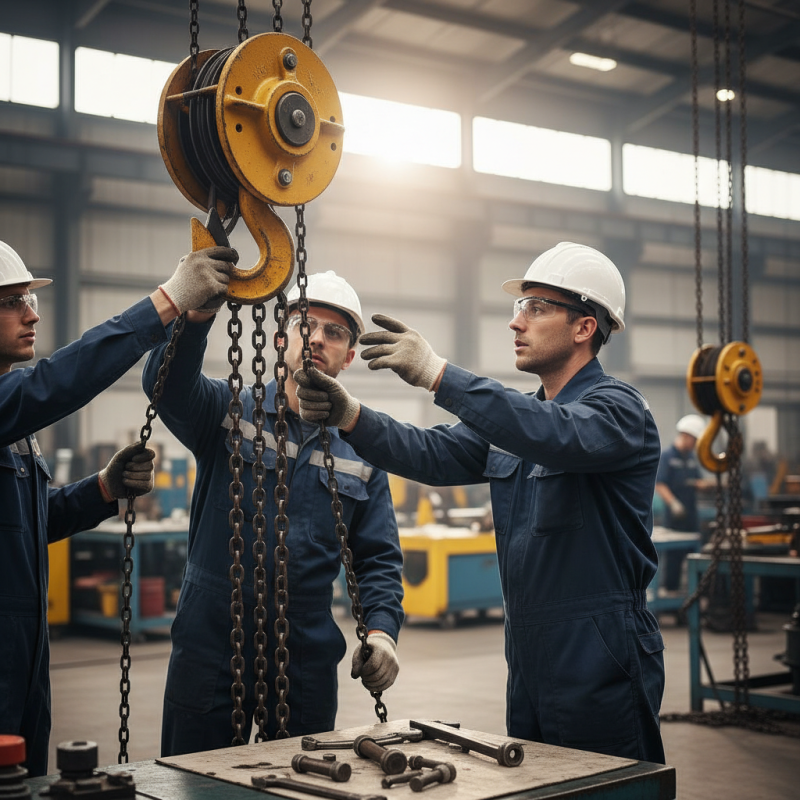
When working with manual chain falls, safety gear is crucial. An industrial hard hat protects your head from potential falling objects. Wear sturdy, slip-resistant boots. They provide essential support and stability on uneven surfaces. Gloves with a good grip enhance your control over the chain. Also, safety goggles shield your eyes from debris.


Before installation, inspect the chain fall thoroughly. Check for wear and tear. Look for any damages that might cause malfunction. Proper setup is vital; ensure it’s secure and correctly attached to a support structure. Use a safety harness if working at heights.


Communication is essential when operating a chain fall. Always signal your team clearly. Everyone needs to be aware of movements and possible hazards. Remember, working with heavy equipment can lead to mistakes if not handled with care. Reflection on previous experiences can help identify risks.

Step-by-Step Guide to Installing a Manual Chain Fall

When installing a manual chain fall, safety is paramount. Start by choosing a sturdy overhead beam or support structure. Ensure the beam can handle the load's weight. Check for any signs of wear or damage. Secure a reliable mounting system to avoid any accidents during operation.

Next, align the chain fall's hook with the load's center of gravity for balance. Wearing gloves is essential to protect your hands. Pay attention to the chain's path as it travels through the block and tackle system. This ensures smooth operation and reduces the risk of entanglement.

While setting up, reflect on your technique. A common oversight is rushing through the installation. Take your time to double-check all connections. Before using the chain fall, test its operation with a lighter load. This precaution helps confirm that everything functions correctly. By being meticulous, you contribute to a safer work environment.

Common Mistakes to Avoid When Installing Chain Falls

When installing a manual chain fall, many overlook common mistakes that can lead to serious safety hazards. One of the most frequent errors is failing to inspect the equipment thoroughly before use. Missing a small crack or wear on the chain can result in catastrophic failure. Always ensure that the chain, hooks, and pulleys are in good condition.

Another common mistake is improper attachment to supports. Users often rush this step, assuming their setup is secure. However, using a weak or unsuitable anchor point can cause the entire system to collapse. Ensure your anchor is rated for the weight being lifted, and double-check all connections before proceeding.

Also, improper load handling is frequently seen. Many operators underestimate the weight of the objects they lift. This miscalculation can lead to dangerous situations. Always verify and mark your weight limits; it helps maintain a safer working environment. Reflect on your experience: even seasoned professionals can slip into these errors. A moment of oversight can lead to serious accidents. Taking time to review these issues can enhance safety and reliability in the workplace.

Maintenance Tips for Ensuring Safe Operation of Chain Falls

Regular maintenance is crucial to ensure the safe operation of manual chain falls. Start by inspecting the chain regularly for wear and tear. Look for any cracks or bends in the links. A damaged chain can lead to serious accidents. If any issues are found, replace the chain immediately. Keep the pulley system clean and free of debris. Dirt can cause friction and hinder smooth operation.

Lubrication is another essential aspect of maintenance. Use proper lubricants on moving parts. This reduces wear and increases longevity. Check the hooks and connection points. Ensure that they are secure and without signs of deformation. Always follow the manufacturer’s guidelines for lubrication frequency.

After use, store the chain fall in a dry, accessible location. Avoid exposing it to harsh weather conditions. Humidity and extreme temperatures can degrade materials over time. Regularly review your maintenance practices to find improvement areas. Document any issues you encounter for future reference. Taking these steps can significantly enhance safety when using manual chain falls.

10 Best Tips on How to Install a Manual Chain Fall Safely

FAQS

: Why is safety gear important when using chain falls?

: Safety gear protects against potential injuries from falling objects and enhances control during operation.

What should I inspect before using a chain fall?

Check for wear, damage, and ensure the equipment is properly attached to a secure support structure.

How can I avoid common installation mistakes?

Take time to inspect all components thoroughly and ensure your anchor point is rated for the load weight.

What is the importance of communication when operating chain falls?

Clear signals keep the team informed about movements and hazards, reducing the risk of accidents.

How often should I maintain my chain fall?

Regular inspections and maintenance should be part of your routine to identify any issues promptly.

What maintenance steps are critical for safe operation?

Inspect the chain, lubricate moving parts, and store the equipment properly after use to prevent degradation.

What should I do if I find a damaged chain?

Replace it immediately to avoid risking serious accidents during operation.

How does load handling impact safety?

Underestimating load weight can lead to dangerous situations; always verify load limits carefully.

What can I do if I encounter problems during inspections?

Document issues and consider areas for improvement in your maintenance practices.

Why should I reflect on past experiences?

Reflection helps identify risks and avoid repeating mistakes, enhancing overall safety in operations.

Conclusion

In the article titled "10 Best Tips on How to Install a Manual Chain Fall Safely," readers are guided through the essential aspects of safely utilizing this important lifting tool. The piece starts by explaining the basics of manual chain falls, including their components and functionality, which is crucial for users to understand before installation. Emphasis is placed on the necessary safety gear to protect operators during the lifting process.

The article then provides a comprehensive step-by-step guide on how to install a manual chain fall safely, highlighting common mistakes to avoid, such as improper mounting or inadequate inspection of the equipment. Additionally, it concludes with maintenance tips that ensure the safe operation of chain falls over time, reinforcing the importance of regular check-ups to prevent accidents. This thorough approach ensures that users are well-prepared for safe and effective operation.

Liam

Liam

Liam is a dedicated marketing professional with a profound expertise in the industry, where he excels at highlighting the unique advantages of our core products. With a keen understanding of market trends and consumer needs, Liam frequently updates our company’s professional blog, providing......