Corrosion poses a significant threat to outdoor lifting gear, leading to costly repairs and safety hazards. According to a recent report by the National Association of Corrosion Engineers, corrosion causes over $2.5 billion in damages annually in the lifting equipment sector. This staggering figure underscores the importance of proper maintenance and preventive measures.
Experts emphasize the need for effective strategies. Dr. Emily Hart, a corrosion prevention specialist, states, "Understanding how to prevent corrosion on outdoor lifting gear is crucial for safety and longevity." Her insights reflect the industry's growing awareness of the challenges posed by environmental factors. Rain, salt, and humidity can accelerate corrosion, making it essential for companies to adopt proactive measures.
Regular inspections and applying protective coatings are vital steps. However, many organizations still overlook these practices. Training staff on maintenance routines is equally important, yet often neglected. Fostering a culture of awareness can significantly mitigate risks. Addressing corrosion not only enhances safety but also extends the lifespan of expensive equipment.
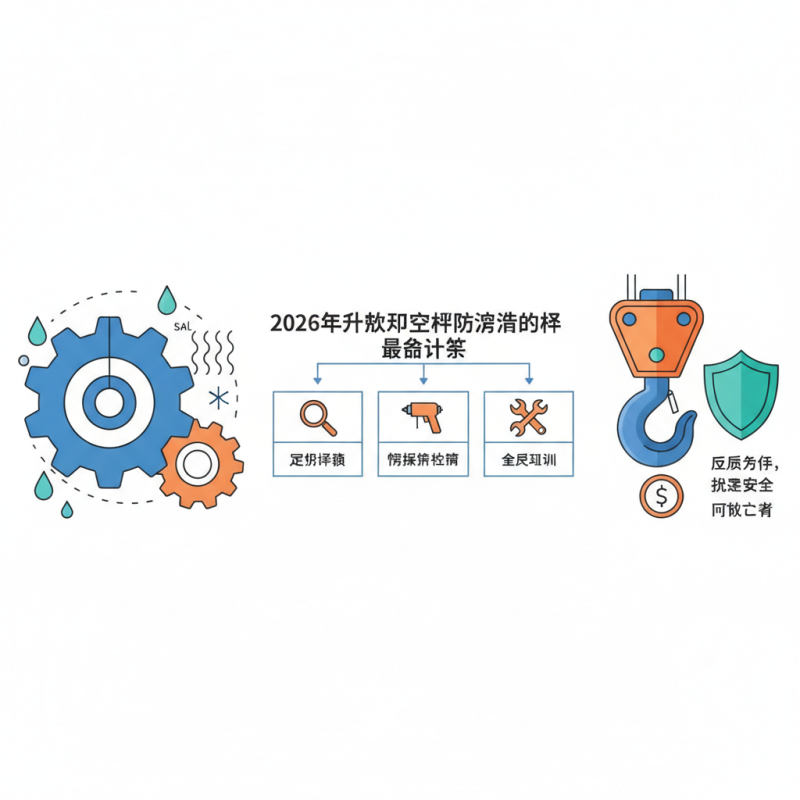
Understanding corrosion is vital for maintaining outdoor lifting gear. Corrosion primarily arises from environmental factors. Moisture, pollutants, and salts are significant contributors. According to industry studies, roughly 30% of lifting equipment failures result from corrosion. This can translate to costly repairs and operational downtime.
Corrosion weakness can manifest as visible rust, pitting, or structural failure. Notably, galvanized or stainless steel can resist rust better than standard materials. However, even these materials are not entirely immune. In high-salinity environments, corrosion rates can increase significantly. A study by the Corrosion Control Association found that lifting gear in coastal areas may experience corrosion 2 to 3 times faster.
Regular inspections can help identify early signs of corrosion. Look for surface discoloration or flaking paint. Immediate action can prevent further deterioration. It’s essential to remember that prevention is more cost-effective than remediation. Establishing a consistent maintenance schedule is crucial. Using protective coatings further extends the lifespan of lifting gear. However, these solutions may not be foolproof and may require adjustments over time.
: Corrosion is caused by moisture, pollutants, and salts in the environment. These factors lead to equipment failures.
Look for rust, pitting, or discoloration on the surface. Flaking paint is another indicator of corrosion.
Inspections help identify early corrosion signs. Early detection can prevent costly repairs and equipment failures.
No, even galvanized or stainless steel can corrode. High-salinity environments can significantly speed up this process.
Common types include galvanic, uniform, and pitting corrosion. Each type affects equipment differently and requires specific prevention.
Protective coatings, like paint or varnish, shield metal surfaces from moisture. They can prolong the lifespan of lifting gear.
No, a consistent maintenance schedule is crucial. Regular checks ensure that corrosion is managed effectively.
Address corrosion signs promptly to prevent further damage. Ignoring them can lead to significant safety risks.
Indoor storage reduces moisture exposure. This practice can significantly lower the risk of corrosion.
No method is completely foolproof. Regular maintenance and adjustments to protective measures are necessary.
The article "2026 Best Tips to Prevent Corrosion on Outdoor Lifting Gear" provides a comprehensive overview of corrosion, detailing its causes and effects on lifting equipment. It explores common types of corrosion that outdoor gear may face and emphasizes the importance of understanding environmental factors that accelerate deterioration. A critical focus is placed on effective strategies for how to prevent corrosion on outdoor lifting gear, including the application of preventive coatings and treatments.
Routine maintenance practices are highlighted as essential measures to minimize corrosion risk, ensuring that lifting gear remains safe and operational. By following these guidelines, operators can enhance the longevity of their equipment and reduce the costs associated with repairs and replacements, ultimately fostering safer working conditions.

 Glinder lift