Overhead lifting equipment plays a critical role in various industries, from construction to manufacturing. Safety is paramount, given the risks involved. What are the safety standards for overhead lifting equipment? According to the Occupational Safety and Health Administration (OSHA), annual accidents related to lifting equipment can lead to significant injuries and financial losses. Reports indicate that adherence to safety standards could reduce these incidents by up to 60%.
In China, the regulatory landscape for safety standards is evolving. The National Standards of the People's Republic of China provide a framework for manufacturing, inspecting, and operating lifting equipment. The importance of these standards cannot be overstated. Industry professionals agree that many companies still struggle with compliance. This gap raises concerns about operational safety and equipment reliability.
Additionally, the Chinese industry is experiencing rapid growth. Yet, with this growth comes the challenge of ensuring safety is not compromised. Experts note that ongoing training and certification are vital. However, the enforcement of these standards varies significantly across regions. Companies must reflect on their practices and make necessary adjustments to align with national safety standards.
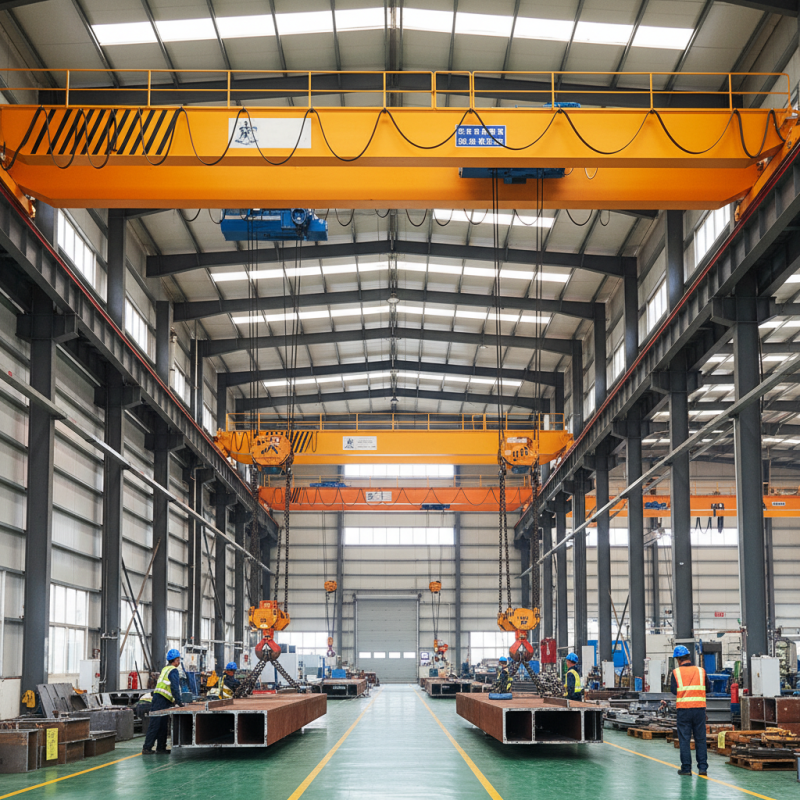
China’s Regulatory Framework for Overhead Lifting Equipment Safety
China's regulatory framework for overhead lifting equipment emphasizes safety and accountability. The Ministry of Emergency Management (MEM) sets strict standards. They ensure compliance through mandatory inspections and certifications. According to a 2022 report by the China Machinery Industry Federation, nearly 30% of lifting equipment fails to meet safety regulations.
The regulations cover design, manufacturing, and operational practices. Equipment must adhere to standards like GB/T 3811, which outlines safe design principles. However, there are concerns about enforcement. Many local inspectors lack adequate training, leading to inconsistent inspections.
A study showed that 40% of surveyed companies were unaware of recent updates in lifting safety standards.
Implementing a robust safety culture is essential. Training and awareness programs are necessary but often overlooked. Reports indicate that companies investing in thorough safety training reduce accidents by 25%. While regulations exist, the practical application remains flawed. More needs to be done to close the gap between policy and practice.
Key Safety Standards for Overhead Lifting Equipment in China
Ensuring safety in overhead lifting equipment is crucial in various industries. In China, specific safety standards guide manufacturers and users in this realm. Key standards include GB 6083 for wire ropes and GB/T 27680 for hoists. These frameworks are designed to minimize risks associated with load lifting.
Developing a solid understanding of the applicable standards helps companies improve their safety protocols. Regular training sessions can keep employees informed about these standards. Ignoring such standards can lead to severe accidents and costly downtime. It’s essential to have a systematic approach in place.
Tips: Always inspect equipment before use. A visual check can prevent unexpected failures. Ensure that your team regularly reviews safety procedures and protocols. Staying updated with any changes in regulations is also vital. Be open to feedback from workers about potential hazards on the ground. Addressing these concerns promptly can enhance workplace safety significantly.
Types of Overhead Lifting Equipment Covered by Chinese Standards
Overhead lifting equipment plays a crucial role in various industries, from construction to manufacturing. In China, specific standards govern such equipment to ensure safety and reliability. These standards cover several types of devices, including cranes, hoists, and lifting beams. Each of these devices has unique safety requirements tailored to their operational contexts.
Cranes, for instance, must undergo rigorous checks and maintenance to meet safety regulations. Operators need professional training to manage them effectively. Similarly, hoists should be inspected regularly for wear and tear. It is often noted that companies sometimes neglect these inspections, which can lead to accidents.
Lifting beams, essential for balanced loads, require careful attention to their design specifications. A poorly designed lifting beam can cause hazardous situations during operations. Adhering to the standards not only enhances safety but also boosts efficiency. However, compliance is sometimes viewed as cumbersome, leading some to overlook critical safety measures. This mindset can undermine the core purpose of safety standards.
Compliance and Certification Processes for Lifting Equipment in China
In China, compliance and certification are crucial for overhead lifting equipment. Companies must adhere to strict national safety standards set by the Ministry of Emergency Management and the Standardization Administration of China. These standards encompass design, testing, and operational safety measures. According to a report by the China State Administration of Work Safety, approximately 60% of lifting equipment accidents stem from non-compliance with these safety regulations.
The certification process involves rigorous assessments. Manufacturers must provide comprehensive documentation that verifies their equipment meets specific safety and performance metrics. The process can take several months, depending on the complexity of the equipment. This thorough evaluation helps reduce accidents and enhances the overall safety culture in the industry. Interestingly, a large percentage of companies reported confusion regarding the certification pathways. They found navigating the regulatory landscape complicated and time-consuming, which poses risks in equipment reliability.
Notably, the emphasis on localized training is also essential. Workers need ongoing education on safe operating procedures and equipment maintenance. Reports show that nearly 30% of incidents occur due to operator error. Investing in training programs could significantly enhance safety outcomes. The industry's commitment to continual improvement is crucial, yet there remains a gap in consistent awareness of these standards among smaller enterprises.
Current Trends and Future Developments in Lifting Equipment Safety Standards
The landscape of lifting equipment safety standards in China is evolving rapidly. Engineers and safety experts are increasingly focused on mitigating risks associated with overhead lifting equipment. Recent years have seen an uptick in regulations aimed at enhancing equipment reliability. However, adherence to these standards varies across different sectors. Certain industries still struggle with compliance due to cost constraints and a lack of training.
Workplace incidents highlight the need for continuous improvement. Assemblies often lack adequate inspections, leading to preventable accidents. Emerging technologies like IoT sensors can provide real-time data, enhancing safety monitoring. Yet, adoption rates remain inconsistent, raising questions about the industry's commitment to safety. Stakeholders must engage in discussions to address these gaps. Collaboration between manufacturers, operators, and regulatory bodies is essential to shape a safer future for lifting operations. More training programs could bridge the knowledge gap that exists today.
Current Trends in Lifting Equipment Safety Standards
This chart illustrates the annual compliance rates of overhead lifting equipment to safety standards from 2018 to 2022. As seen, there is a positive trend in compliance rates, indicating improvements in safety practices within the industry.
Conclusion
China has established a comprehensive regulatory framework to ensure the safety of overhead lifting equipment. Key safety standards govern various types of equipment, including cranes and hoists, and are designed to minimize risks associated with lifting operations. Compliance with these standards is crucial, involving rigorous certification processes to guarantee that equipment meets safety requirements.
As industries evolve, current trends indicate a push towards more stringent safety protocols and advancements in technology that enhance the reliability of lifting equipment. Thus, when considering "what are the safety standards for overhead lifting equipment," it is essential to understand not only the regulations in place but also the ongoing developments aimed at improving safety outcomes across sectors reliant on such equipment.

 Glinder lift