In the construction and manufacturing industries, ensuring the safety and reliability of hoists is crucial. According to John Smith, a hoisting expert with over 20 years of experience, "Regular inspections can prevent accidents and equipment failure." This statement highlights the importance of daily inspections for hoists. So, what are the daily inspection requirements for hoists?
Daily inspections are vital to maintaining hoist functionality. Operators must check the hooks, cables, and controls for wear and tear. They should also inspect the power supply and emergency stops. These checks can catch problems before they escalate. Yet, many operators overlook minor issues, thinking they are not a concern. This approach neglects the fact that small problems can lead to significant failures.
Implementing a structured daily inspection routine can enhance safety and reliability. Organizations must prioritize training for their workers. They should educate employees on the importance of these inspections. However, some may feel it’s unnecessary, viewing it as a time burden. Addressing this mindset is essential, as the consequences of neglect can be dire. Clear communication about the importance of safety practices can help cultivate a proactive inspection culture in workplaces.
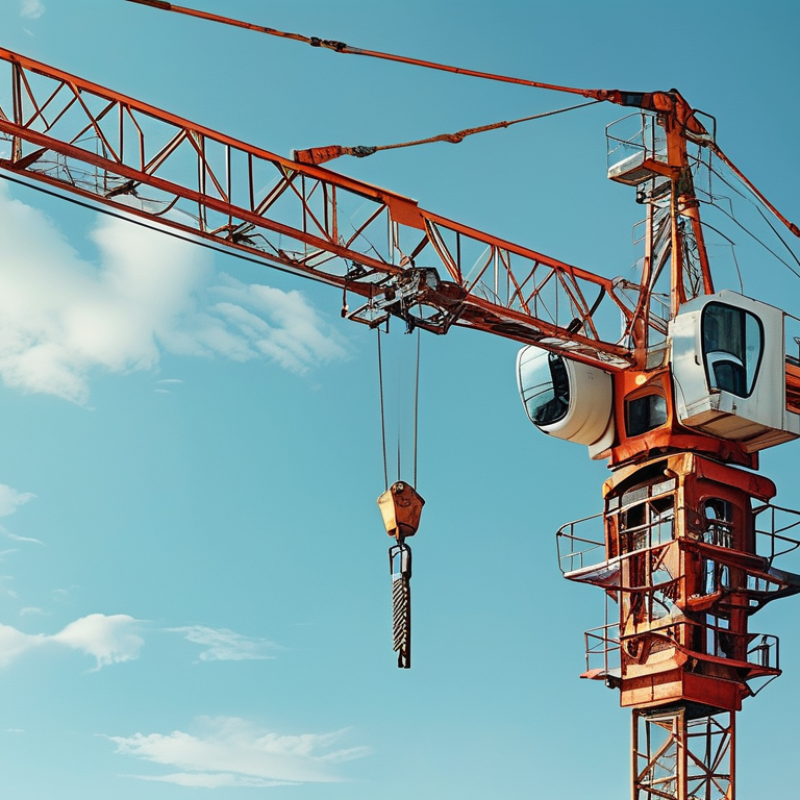
Daily Inspection Requirements for Hoists: An Overview
Daily inspections for hoists are crucial to ensure safety and efficiency in the workplace. A qualified operator must examine the hoist before each use. This includes checking for any visible wear and tear. Operators should look for rust, frayed cables, or damaged hooks. Ensuring each component is in good working order is essential.
In addition to visual inspections, functional tests should be conducted. Operators can perform test lifts to verify that the hoist operates smoothly. Listening for unusual sounds during operation is important. Any signs of abnormal behavior may indicate underlying issues. It is also wise to inspect the emergency stop button and other safety features regularly.
Documentation of these inspections fosters accountability. Operators should maintain a log of daily checks. This log should include dates, findings, and any corrective actions taken. Regularly reviewing this documentation can help identify recurring problems. Reflecting on past inspections can prompt necessary training or adjustments in usage. Daily inspections create a culture of safety and can prevent costly accidents.
Key Components that Require Daily Inspection in Hoists
Daily inspections are critical for hoists. They ensure safety and efficiency in operations. A report by the American Society of Safety Professionals highlights that regular inspections reduce accident rates significantly. Daily inspections help identify potential issues before they escalate.
Key components that require daily inspection include chains, hooks, and brakes. Chains must be checked for wear and elongation. Any visible damage could lead to failure. Hooks should be inspected for cracks or deformities, which can compromise safety. Brakes need attention as they ensure control over the load. Their proper function is crucial to prevent accidents.
Every inspection requires attention to detail. Inspectors should be trained and vigilant. Failing to spot an issue might result in costly repairs or hazards. Industry data indicates that approximately 30% of hoist-related incidents stem from inadequate maintenance. This statistic emphasizes the importance of daily checks. Inspect your hoists thoroughly to avoid these risks.
Daily Inspection Requirements for Hoists
| Inspection Component |
Description |
Frequency |
Remarks |
| Wire Rope |
Check for fraying, kinks, or signs of wear. |
Daily |
Immediate replacement if damage is found. |
| Hooks |
Inspect for cracks, deformation or proper latch operation. |
Daily |
Replace if any issues are noted. |
| Brakes |
Ensure proper functionality and no abnormal noise. |
Daily |
Service immediately if problems occur. |
| Limit Switches |
Verify operation and ensure correct positioning. |
Daily |
Adjust or replace as necessary. |
| Power Supply |
Check for proper voltage and absence of corrosion. |
Daily |
Contact electrician if issues arise. |
| Control Systems |
Inspect for proper operation of buttons and controls. |
Daily |
Replace malfunctioning components. |
Regulatory Standards Governing Hoist Inspections
When it comes to hoist inspections, regulatory standards play a crucial role. Various organizations outline specific requirements for ensuring safety and functioning efficiency. For example, the Occupational Safety and Health Administration (OSHA) in the United States mandates regular inspections to reduce risk. These inspections focus on critical components, such as cables and controls. Each detail matters in maintaining the integrity of the hoist.
Inspection frequency may vary based on usage. For instance, a heavily used hoist requires more frequent checks than one used occasionally. Some inspections may involve visual checks, while others require more extensive tests. Employing qualified personnel is essential to perform these assessments accurately. Skimping on expertise can lead to missed issues, resulting in hazardous conditions. The human element matters; even skilled workers can overlook details in routine tasks.
Documentation plays a key role, too. Keeping accurate records of all inspections fosters accountability. This practice is not just a regulatory requirement but a necessity. Reflecting on past inspections can provide insights for improvements. Moreover, it encourages a culture of safety within the workplace. Continuous learning from inspections could significantly enhance overall reliability in hoisting operations.
Importance of Routine Maintenance and Safety Compliance
Routine maintenance of hoists is critical for ensuring workplace safety. According to the
Occupational Safety and Health Administration (OSHA), proper inspection reduces the risk of accidents by up to 75%.
Each hoist should undergo daily checks to confirm no visible damage or wear. A breakdown in these inspections can lead to
serious injuries or fatalities.
Regular maintenance not only promotes safety but also enhances operational efficiency. Reports indicate that equipment failure due to lack of inspection can cost businesses
thousands in downtime. Additionally, compliance with safety regulations avoids potential legal repercussions.
Failure to adhere to these standards reflects a lack of operational integrity.
Each hoist should be assessed for load limits before use.
Inspections should cover the hoist’s controls, hooks, and overall mechanical integrity. Many regulatory bodies recommend maintaining inspection logs for accountability.
Not all organizations prioritize this. Reflecting on past incidents can shed light on potential oversights in your inspection routine.
Emphasizing safety might seem like just another task, but the implications are profound.
Common Defects Noted During Daily Hoist Inspections
Daily inspections of hoists are critical for safety and preventing mechanical failures. Common defects noted during these inspections can often highlight underlying issues that need immediate attention.
One notable defect is wear on the hoist cables. Fraying or broken strands can indicate excessive load or poor maintenance. Operators should check for discoloration, which may signal internal damage. Inspection of hooks is equally important. Cracks or deformations could compromise their integrity. Even small issues might lead to serious accidents if ignored.
Another area of concern includes electrical components. Malfunctioning controls may cause erratic movements. Inspecting for loose wiring or signs of overheating can prevent further complications. Additionally, the brake system should be assessed. Non-responsive brakes can pose significant risks. Regular checks ensure these essential safety features work as intended, highlighting the importance of diligent daily inspections.
Common Defects Noted During Daily Hoist Inspections
Conclusion
Daily inspection requirements for hoists are critical to ensuring safety and operational efficiency in various industries. The inspection process includes a thorough examination of key components such as the hoist's cables, hooks, brakes, and controls to identify any potential issues. Familiarity with regulatory standards governing these inspections is essential, as they provide guidelines to maintain compliance and enhance safety protocols. Regular maintenance and adherence to these standards help mitigate risks and prevent accidents.
Common defects noted during daily hoist inspections can lead to significant operational disruptions if not addressed. These may include wear and tear on moving parts, signs of rust or corrosion, and malfunctioning safety devices. It is vital for operators to understand what are the daily inspection requirements for hoists, as consistent inspections play a crucial role in safeguarding both personnel and equipment.

 Glinder lift