5 Best Fixes Why Is My Electric Trolley Moving Too Slowly?

Time:2026-11-01 Author:Charlotte
0%

Why is my electric trolley moving too slowly? The cause may be simpler than a failing motor. A partly discharged battery, an overloaded platform, dragging wheels, or a brake that is not fully releasing can all reduce speed. The clues are often small: a battery display that drops under load, a wheel that feels stiff, or a trolley that slows on the same incline each trip. Notice when the problem began. That detail matters.

This guide explores five practical fixes, starting with checks that do not require opening the equipment. Compare the load with the manufacturer’s rating, inspect the wheels for debris, and check the battery charge using the instructions for your model. Then review the speed setting and look for visible damage or warning lights. Small checks help. They do not prove the motor is healthy, though, and one symptom can have several causes.

Keep the trolley on a stable, clear surface while checking it, and switch it off before inspecting moving parts. Never bypass a brake, safety switch, or electrical protection to test performance. If the battery is swollen, wiring is damaged, or the unit smells hot, stop using it and contact a qualified service technician. It is tempting to assume the motor is at fault; that assumption can waste time. The five fixes below offer a more careful way to narrow down the cause and decide when professional help is needed.
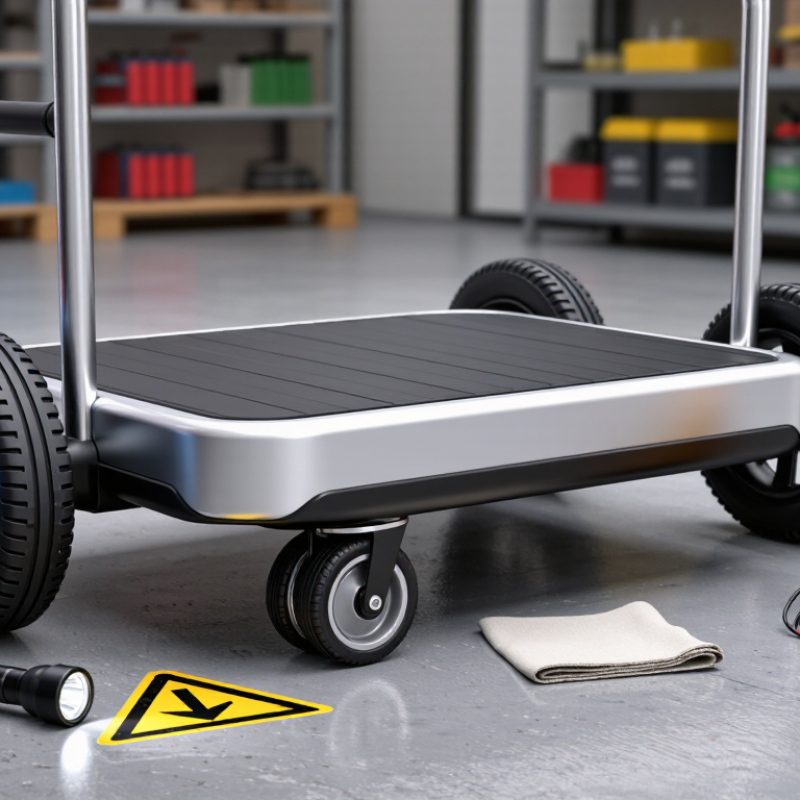
5 Best Fixes Why Is My Electric Trolley Moving Too Slowly?

Check the Battery Charge, Health, and Connections

When an electric trolley moves slowly, check the battery before adjusting anything else. A low charge can reduce speed, especially on hills or with a heavy load. Charge it fully with the correct charger, then test the trolley on level ground. A quick dashboard reading can be misleading. Some displays show charge under no load, then drop sharply when the motor starts. Notice that change. If the battery feels unusually hot after use, let it cool and follow the manufacturer’s charging instructions.

Battery age and condition matter, too. A battery may show a full charge yet lose power quickly under load. Look for cracked casing, swelling, leaks, or unusual smells; do not use a visibly damaged battery. Switch off the trolley before checking accessible terminals and cables. Loose connections can interrupt current, while corrosion may appear as a dull white or green crust. A simple check. Keep metal tools away from terminals, and don’t scrape or tighten anything unless the manual allows it. I can be quick to blame the motor, but a worn battery connection is easy to overlook. If the charge falls rapidly or speed remains low after charging and inspection, arrange a battery test with a qualified service technician.

Reduce Excess Load and Inspect the Wheels

5 Best Fixes: Why Is My Electric Trolley Moving Too Slowly?
Reduce Excess Load and Inspect the Wheels

An overloaded electric trolley may crawl, especially on ramps or uneven floors. The extra weight makes the motor work harder and can shorten battery runtime. Check the trolley’s capacity plate and compare it with the full load, including the container. Remove unnecessary items and spread the remaining weight evenly. Do not assume a brief overload is harmless. Liberty Mutual’s 2023 Workplace Safety Index estimated that overexertion involving outside sources cost U.S. employers $12.8 billion in serious workplace injuries in 2021. That figure is not specific to trolleys, but it underscores the value of safer load handling.

Next, inspect every wheel with the trolley switched off and secured. Look for wrapped tape, string, or plastic around the axle. Check for flat spots, cracks, wobble, and bearings that feel rough when turned by hand. Small clues matter. A wheel can look intact yet drag under load. I would also check that all wheels sit firmly on the floor; a misaligned or damaged wheel can increase rolling resistance.

After clearing debris, move the trolley a short distance on a level surface with a light load. Listen for scraping and watch for one wheel lagging behind. If movement remains slow, stop using it and arrange a qualified inspection of the brakes, drive wheel, and electrical system. Guessing at the cause is tempting, but it can miss a fault that needs repair.

Check for Dragging Brakes or Obstructed Axles

When an electric trolley slows down, a brake that fails to release fully can create steady resistance. The motor may sound strained, and one wheel may feel unusually warm after a short run. Stop using the trolley if you notice heat, a burning smell, or uneven braking. Park it on level ground, remove the load, and isolate the power according to the operator’s manual. Keep clear of moving parts.

With the trolley secured, inspect each wheel and axle for tangled straps, packed dirt, loose wire, or debris wedged near the hub. Check whether a wheel turns freely by hand only if the manual allows it and the trolley is safely supported. Small obstructions matter. Compare both sides; one wheel that catches or scrapes can point to a bent axle, damaged bearing, or brake drag. Don’t force a wheel or adjust brake hardware without the correct procedure. I’ve found that a quick visual check can miss debris tucked behind a guard, so look from more than one angle. Clear only accessible material, then arrange qualified service for persistent resistance. Test the unloaded trolley in a clear area before returning it to normal use.

5 Best Fixes: Why Is My Electric Trolley Moving Too Slowly? — Check for Dragging Brakes or Obstructed Axles
Possible Cause What to Check Recommended Fix How to Confirm
Dragging brakes With the trolley parked securely, inspect for a brake that remains partly engaged, unusual heat near a wheel, or a burning smell after use. Check that the brake control releases fully. Have worn, misadjusted, or damaged brake parts inspected and repaired before continued operation. On a clear, level area, check that the trolley rolls freely when the brake is released and stops properly when applied.
Debris around an axle or wheel Look for string, wire, mud, leaves, or other material wrapped around a wheel hub or caught near an axle. Switch off and isolate the power according to the operator’s instructions, secure the trolley, and remove accessible debris without reaching into moving parts. Rotate the wheel by hand only when the trolley is safely isolated; it should turn smoothly without rubbing or catching.
Low tire pressure or wheel damage Compare tire pressure with the value specified on the tire or in the trolley’s manual. Check for a flat tire, uneven wear, or a damaged wheel. Inflate tires to the specified pressure and replace damaged tires or wheels with compatible parts. Check that all tires have even contact with the ground and that the trolley tracks straight during a low-speed test.
Low battery charge or poor connections Check the battery indicator and inspect accessible cables and connectors for looseness, corrosion, or visible damage. Recharge the battery using the specified charger. Arrange qualified service for damaged wiring, corroded terminals, or a battery that will not hold a charge. After charging, test the trolley under its normal load. If speed remains low, have the battery and electrical system tested.
Excessive load or restricted route Check whether the load exceeds the rated capacity or whether the trolley is being used on a steep slope, soft surface, or obstructed path. Reduce the load to within the rated limit and clear the route. Use the trolley on a suitable surface and avoid steep grades beyond its rating. Repeat the test on a clear, level surface with a permitted load and compare performance with the operator’s manual.

Inspect the Motor and Speed Controller

5 Best Fixes: Why Is My Electric Trolley Moving Too Slowly?

Inspect the Motor and Speed Controller

A trolley that crawls under load may have a motor or controller problem, but check the battery and wheels too. Listen for uneven humming, grinding, or sudden changes in speed. With the power isolated, inspect motor connections for looseness, corrosion, or heat-darkened insulation. A warm controller alone does not confirm a fault; heavy loads and poor ventilation can also raise its temperature. Small clues matter.

The U.S. Department of Energy’s 2014 Improving Motor and Drive System Performance sourcebook estimates that motor-driven systems use about 54% of electricity in U.S. manufacturing. This figure is not specific to trolleys, but it shows why motor and drive condition deserves attention. If the motor turns smoothly without a load but slows sharply in use, have a qualified technician check controller output, wiring, and motor current against the trolley’s service specifications. Avoid adjusting internal settings by guesswork.

Tips: Record the load, travel distance, and speed when the slowdown occurs. Check for blocked cooling vents and damaged cables before arranging service. Never probe an energized controller unless trained and equipped for that test. A simple log helps, though it may not reveal the fault by itself.

Verify Wiring, Speed Settings, and Safety Limits

When an electric trolley moves slowly, check its wiring, speed settings, and safety limits before replacing parts. Park it on level ground and switch it off before inspecting accessible cables. Look for loose connectors, worn insulation, or a plug that is not fully seated. A damaged cable needs qualified attention, not a quick patch. A small check can help.

Tips: Compare the selected speed with the setting recommended in the trolley’s manual. Check the battery indicator and charge level; low power can reduce performance. Remove excess cargo and watch whether the trolley speeds up. Note the load, surface, and warning lights. These details can help identify a pattern.

Safety limits may also restrict speed when the load is too heavy, a brake is engaged, or a guard is not secured. Confirm the trolley is within its rated capacity, and make sure wheels turn freely with the power off. It is easy to blame the motor too soon. If wiring looks sound but speed stays low, stop using the trolley and arrange a competent inspection. Never bypass a speed limiter or safety switch; the slow movement may be a warning, not a fault to override.

5 Best Fixes: Why Is My Electric Trolley Moving Too Slowly?

Example diagnostic readings show trolley speed before and after each targeted correction. Results vary by trolley, load, terrain, and manufacturer settings.

How to use: Check the selected speed setting and confirm any speed limit is intentional. Inspect wiring and connections for damage or looseness; have electrical repairs handled by a qualified technician. Check the battery, wheels, and load if speed remains low. Never bypass safety limits.

FAQS

What should I check if my electric trolley moves slowly under load?

Check the battery charge, wheel movement, load, and visible wiring. A slowdown under load may point to several causes, not just the motor.

How can I spot a possible motor or controller problem?

Listen for uneven humming, grinding, or sudden speed changes. With power isolated, look for loose connections, corrosion, or darkened cable insulation. These clues are not proof.

Can a warm speed controller mean it is faulty?

Not by itself. A heavy load or blocked cooling vents can also raise its temperature. Keep vents clear and seek a qualified inspection if the problem continues.

Could low battery power make the trolley slower?

Yes. Check the battery indicator and charge level. Note whether speed changes after charging; that detail may help, though it may not explain everything.

How do load and surface affect trolley speed?

Remove excess cargo and compare movement on a level surface. Record the load and travel distance. Small changes can reveal a pattern.

What wiring and safety checks are appropriate?

Switch the trolley off before inspecting accessible cables. Look for loose connectors, worn insulation, or an incompletely seated plug. Damaged cables need qualified attention.

Could a safety limit be restricting speed?

Yes. Check the rated capacity, brake position, and whether guards are secured. Never bypass a limiter or safety switch; slow movement may be a warning.

When should I arrange a technician’s inspection?

If the trolley still moves slowly despite basic checks, stop using it and arrange competent service. A technician can compare controller output and motor current with service specifications. Don’t guess at internal settings.

Conclusion

If you’re asking, “Why is my electric trolley moving too slowly,” start with the power supply. A low or aging battery can reduce performance, so check its charge, condition, and connections for looseness or corrosion. Next, remove unnecessary weight and inspect the wheels for damage, debris, or anything that could make them turn unevenly. These simple checks can reveal common causes of sluggish movement before you investigate more complex parts.

If the trolley still feels slow, look for brakes that are rubbing or axles that are obstructed, since either can create resistance. Then inspect the motor and speed controller for signs of damage or inconsistent operation. Finally, check the wiring, selected speed settings, and any built-in safety limits that may restrict movement. Work through these areas methodically, following the trolley’s instructions, and stop using it if you notice unusual heat, sounds, or damage.

Charlotte

Charlotte

Charlotte is a seasoned marketing professional with a deep understanding of the company's portfolio and a passion for elevating its presence in the market. With a keen eye for detail and a commitment to excellence, she ensures that our professional blog is regularly updated with insightful articles......