Why Is My Electric Trolley Moving Too Slowly and How to Fix It?

Time:2026-06-16 Author:Henry
0%

Electric trolleys have become essential for many users, providing convenience and efficiency. However, a common concern arises: "Why is my electric trolley moving too slowly?" This issue can stem from various factors, impacting performance and user experience.

Investigating the reasons behind sluggish movement is crucial. Battery issues, weight overload, or tire problems can all contribute. In many cases, users may overlook simple fixes like checking tire pressure or battery charge. Regular maintenance plays a vital role in ensuring optimal performance.

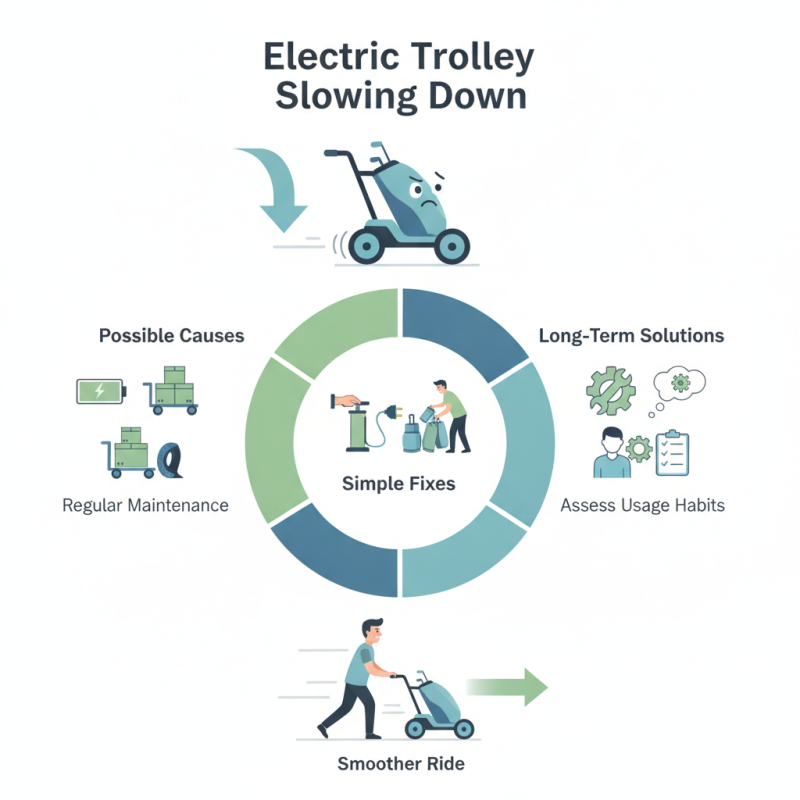
Identifying the problem is only part of the solution. Reflect on your usage habits. Are you pushing the trolley beyond its limits? Taking a moment to assess your trolley's condition can lead to improvements. By understanding and addressing these factors, you can enjoy a smoother ride with your electric trolley.
Why Is My Electric Trolley Moving Too Slowly and How to Fix It?

Causes of Slow Movement in Electric Trolleys: An Overview

Electric trolleys are essential for transporting goods efficiently. However, they can sometimes move slower than expected. Several factors can contribute to this issue.

One common cause is the battery condition. A weak or old battery may not provide enough power. Check for any signs of wear or low charge. Dirty wheels or tracks can also drag down performance. Clean them regularly for optimal movement.

Tips: Regular maintenance is key. Ensure the battery is fully charged before use. Inspect the wheels for debris often. Adjust the load as necessary; overloaded trolleys tend to move slower.

Another reason could be mechanical issues. Worn-out parts can hinder speed. Listen for any unusual sounds during operation. Additionally, check if the motor is functioning correctly. A malfunctioning motor will directly affect speed.

Consider the environment too. Uneven surfaces can slow you down significantly. Avoid steep inclines when possible. If slow movement persists, professional servicing may be required. Don’t ignore warning signs; address them promptly for a more effective trolley.

Common Battery Issues Affecting Electric Trolley Speed

When your electric trolley moves too slowly, it could be due to common battery issues. Batteries degrade over time, leading to reduced power output. A worn-out battery may not hold a charge effectively. This inefficiency can cause sluggish performance.

Check the battery connections for corrosion. Dirty or loose terminals can hinder power delivery. Cleaning the terminals might improve speed significantly. Sometimes, simply tightening loose connections can solve the issue. A fresh battery may also be necessary if your current one is several years old.

Regular maintenance is essential. Ensure the battery is fully charged before use. Understanding your trolley’s battery lifespan can prevent unexpected slowdowns. Keep an eye on the battery gauge. This simple action can help you catch problems early. Test the battery under load to check its performance. A delay in your trolley's speed may just be a sign of a tired battery needing replacement.

Common Battery Issues Affecting Electric Trolley Speed

Impact of Weight Load on Electric Trolley Performance

When using an electric trolley, you may notice that it moves slower than expected. One of the key factors influencing its performance is the weight load. Each trolley has a specific weight capacity. Exceeding this limit can lead to sluggish movement. A heavy load can strain the motor. This strain results in decreased efficiency. It’s vital to match the load with the trolley’s design specifications.

Understanding your trolley's limits is essential. If you consistently carry heavy loads, consider upgrading to a more robust model. Also, ensure the load is evenly distributed across the trolley. An unbalanced load can hinder performance, leading to further complications. Take the time to assess your usual cargo. This process can save you time and frustration in the long run.

Here are a few tips to improve your trolley's speed. First, regularly check the battery for optimal charge and condition. A depleted battery can cause sluggish movement. Second, clean the trolley periodically. Dust and debris can affect its functionality. Finally, avoid overloading. Stick to manufacturer recommendations for weight limits. Small adjustments can lead to noticeable improvements.

Maintaining Your Electric Trolley: Essential Tips for Optimal Speed

To maintain your electric trolley's speed, focus on regular upkeep. A study by the Electric Vehicle Association revealed that proper maintenance can enhance efficiency by up to 30%. One key area is the battery. If the battery is underperforming, it can slow down your trolley significantly. Regularly check the terminals for corrosion and ensure the battery is fully charged.

Another important factor is the wheels. Worn or misaligned wheels cause friction. This not only slows down movement but can also cause uneven wear. According to industry standards, replacing wheels every 500 miles of usage can optimize performance. Lubricating the moving parts is also critical. Neglecting this can lead to sluggish operation and unnecessary wear.

Don’t forget the importance of regular inspections as well. Simple checks can prevent larger issues down the line. These might include looking for loose connections and ensuring the wiring is intact. An estimated 20% of electric trolley issues stem from avoidable maintenance oversights. Take time to reflect on your maintenance routine. It matters more than many owners realize. Regular attention ensures you get the best speed and reliability from your electric trolley.

Troubleshooting Electrical Components for Improved Trolley Mobility

When your electric trolley moves slowly, it can cause delays in transport and frustration. Troubleshooting the electrical components is essential for enhancing mobility. According to industry reports, nearly 25% of trolley performance issues stem from electrical malfunctions. Regular maintenance can help you avoid these common pitfalls.

A key area to inspect is the battery. Old or poorly charged batteries reduce power output. Replace batteries that show a diminished lifespan or test them with a multimeter. Ensure connections are clean and free of corrosion. Faulty wiring or connectors can also impede electrical flow, causing sluggish movement.

Tips: Check your battery connections weekly. Look for any loose wires or corrosion. It can save you from future headaches.

Another common issue is the motor. Overheating can occur if it works harder than necessary. Invest in a thermal camera to spot overheating in motors. This proactive approach helps to prevent more severe breakdowns down the line.

Tips: Schedule regular motor inspections. It’s a small step that can prevent significant issues later.

Finally, ensure you are using the correct settings if your trolley features adjustable speed controls. Misconfigured systems can lead to unexpected slowdowns. Review the user manual for optimal settings. Balancing between speed and efficiency is crucial for overall performance.

FAQS

: What causes slow movement in electric trolleys?

: Slow movement can be due to battery issues, dirty wheels, or mechanical problems.

How does battery condition affect trolley speed?

A weak or old battery may not provide enough power for optimal performance.

How can I maintain my electric trolley's performance?

Regular maintenance is essential. Clean wheels frequently and check battery charge often.

Why do heavy loads slow down my trolley?

Exceeding the weight limit strains the motor, which decreases efficiency and speed.

What should I do if my trolley has an unbalanced load?

Make sure the load is evenly distributed across the trolley to improve performance.

How can I check for electrical issues affecting speed?

Inspect battery connections, look for corrosion, and ensure wiring is intact.

What should I do if the motor overheats?

Use a thermal camera to monitor motor temperature and avoid overworking it.

How often should I check the battery condition?

It's a good practice to check battery connections weekly to prevent performance issues.

Are there important settings to review for speed controls?

Yes, ensure that speed settings are configured correctly according to the manual.

What’s a common mistake when using an electric trolley?

Ignoring warning signs of slow movement can lead to bigger problems later on.

Conclusion

If you find yourself asking, "Why is my electric trolley moving too slowly?" there are several possible factors to consider. Common battery issues can significantly affect the speed of your trolley, as inadequate power supply often results in sluggish performance. Additionally, the weight load being carried can impede movement; exceeding the recommended capacity can lead to slower speeds and increased strain on the motor.

To maintain optimal speed, ensuring proper maintenance of your electric trolley is essential. Regularly checking and replacing battery components, as well as keeping the trolley clean and well-lubricated, can greatly enhance its performance. Moreover, troubleshooting any electrical components can help identify underlying issues that may hinder mobility, allowing you to enjoy a smoother and more efficient ride.

Henry

Henry

Henry is a dedicated marketing professional with a profound expertise in the company's offerings. With years of experience in the industry, he possesses an impressive understanding of the market dynamics and consumer behaviors that drive success. Henry is committed to sharing his insights through......