Elevator safety is critical in modern buildings. One vital test ensures the reliability of emergency systems. This process is called an elevator emergency brake test. Understanding what happens during an elevator emergency brake test can build confidence in elevator safety measures.
During the test, technicians simulate a malfunction. They examine how the elevator's braking system reacts. The objective is to ensure that it functions properly under stress. It's a meticulous process that combines science and safety protocols. Observing the test can reveal weaknesses. These findings help improve safety standards and designs.
However, not all tests are flawless. Issues can arise that may require further investigation. This highlights the importance of ongoing maintenance and improvement. Reliable elevators are essential for public trust and accessibility. Every elevator should undergo this critical evaluation regularly. Knowing what happens during an elevator emergency brake test can empower users to prioritize safety in their environments.
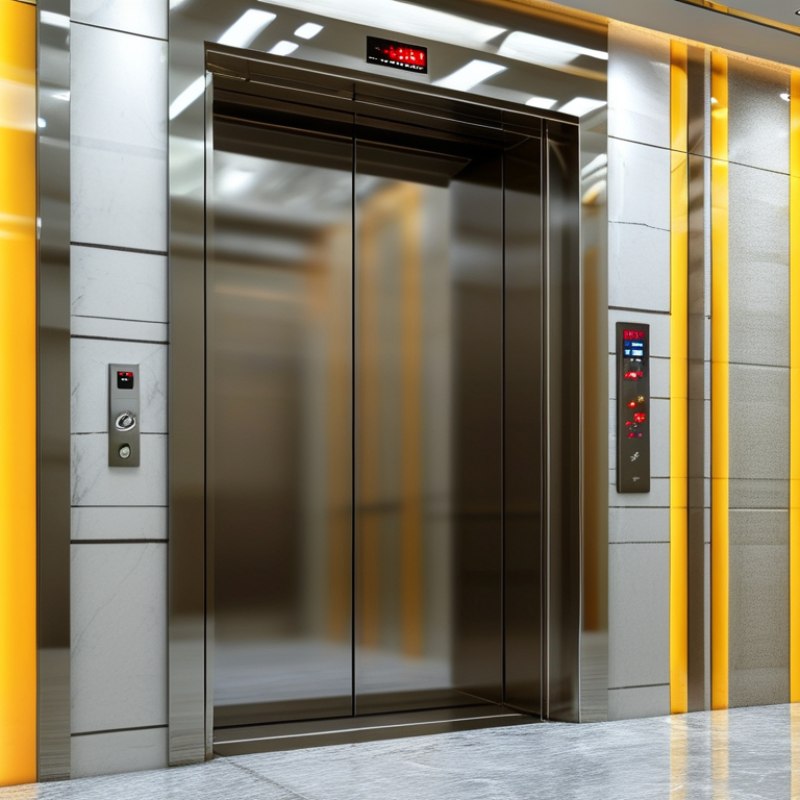
Elevator emergency brake systems are critical for passenger safety. These systems engage during unexpected situations, stopping the elevator quickly. They are designed to activate when the elevator descends too quickly or if there’s a malfunction. The technology behind them is impressive yet complex.
The emergency brake consists of several components. One key component is the brake itself, which grips the elevator shaft. Sensors continuously monitor the elevator's speed. Any anomalies trigger an immediate response from the brake system. This reactive design is vital, but it poses challenges. In older elevators, outdated technology can lead to unreliable performance. Regular maintenance is essential to ensure these systems function effectively.
Tests of the emergency brake often face scrutiny. They can simulate emergencies to evaluate system reliability. However, improper execution might provide misleading results. Operators must be skilled and well-trained to conduct these tests. This ensures that they fully understand how the system should respond under real conditions. Elevators may be safe, but they aren't infallible. Continuous improvement in both technology and training is needed for optimal safety.
| Test Phase | Description | Duration | Safety Measures |
|---|---|---|---|
| Preparation | Inspect the elevator system for any pre-existing issues before the test. | 15 minutes | Isolate power supply and inform personnel in the building. |
| Initial Function Check | Verify the emergency brake system’s mechanical and electrical components. | 10 minutes | Use testing guidelines to confirm proper function. |
| Brake Application | Simulate an emergency situation to engage the brake system. | 5 minutes | Continuous monitoring by a qualified technician. |
| System Reset | Reset the elevator system to return it to normal operating conditions. | 10 minutes | Ensure all systems are functioning properly before usage. |
| Final Inspection | Conduct a thorough inspection to confirm everything is in order. | 20 minutes | Complete documentation of the test results. |
: They ensure passenger safety by stopping the elevator quickly in emergencies.
They engage when the elevator descends too quickly or malfunctions. Sensors monitor speed continuously.
Regular maintenance ensures reliability. Older systems might perform poorly without it.
Personnel must wear protective gear like hard hats and safety glasses during tests.
Improper testing can lead to misleading outcomes. Skilled operators are necessary for accurate evaluations.
Issues often include improper calibration and worn components, affecting efficiency.
Older models may not meet current safety standards and can lead to malfunctions.
Ongoing training ensures all personnel are prepared for emergencies and adhere to protocols.
Ignoring routine checks increases the risk of accidents, potentially leading to serious consequences.
Investing in modernization and ensuring regular maintenance can enhance overall safety protocols.
Elevator emergency brake systems are crucial for passenger safety, as they are designed to halt the elevator's descent during an emergency. What happens during an elevator emergency brake test involves a systematic evaluation of these brake mechanisms to ensure they function properly under stress. The testing procedure includes several steps, such as simulating emergency conditions and monitoring the response of the brakes.
Safety precautions are paramount throughout the testing process to protect personnel and equipment. Common issues identified during these tests can range from reduced braking efficiency to mechanical wear, highlighting the importance of regular maintenance and evaluation. Overall, understanding the significance and execution of these tests is essential for maintaining safe elevator operations.

 Glinder lift