What is the lifespan of an elevator traction motor? The practical answer is less tidy than many buyers expect. A well-maintained traction motor may operate for 20 to 30 years, while heavily used equipment can require major attention much earlier. Usage intensity matters. A hotel elevator may complete hundreds of daily trips, while a low-rise office unit may work far less.
Industry guidance supports a condition-based approach. ASME A17.1/CSA B44 establishes safety requirements, but it does not promise a fixed motor lifespan. ISO 25745-2 provides methods for evaluating elevator energy performance, helping engineers assess operating demand and efficiency. The U.S. Department of Energy also identifies elevators as meaningful building energy users, especially in high-rise properties. These references show why runtime, load, starts per hour, and control-system efficiency deserve careful review.
Maintenance records tell the clearer story. Technicians inspect bearings, brake behavior, insulation resistance, vibration, oil condition, and unusual heat around the motor. A faint grinding sound can matter more than the calendar. Repeated overloads, poor ventilation, water exposure, and delayed lubrication can shorten service life. Modernization reports from major manufacturers, including KONE, Otis, and Schindler, commonly emphasize predictive maintenance and component condition rather than age alone.
A perfect prediction is impossible. That is the uncomfortable part. Some motors exceed 30 years with disciplined maintenance, while others become uneconomical sooner because spare parts disappear or efficiency declines. This guide examines realistic lifespan ranges, failure warning signs, maintenance data, replacement costs, and the engineering decisions behind a reliable elevator modernization plan.
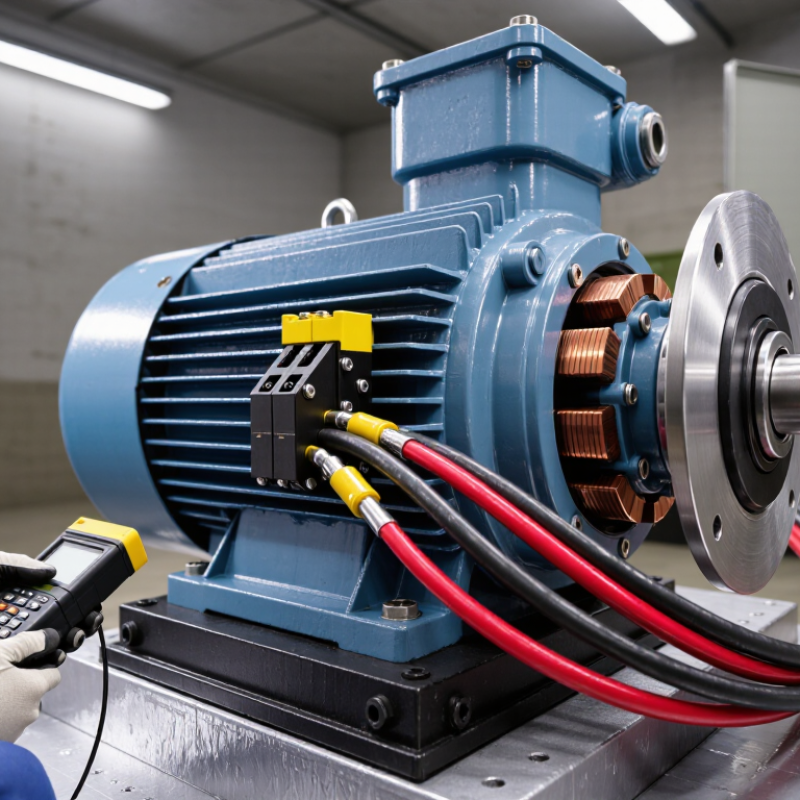
2026 Best How Long Does an Elevator Traction Motor Last
What Is an Elevator Traction Motor?
An elevator traction motor is the machine that moves a lift car through the shaft. It turns a sheave, which moves steel ropes or belts. The ropes connect the car and counterweight. When the motor rotates, the car rises or descends smoothly.
Most modern traction systems use electric motors with variable-frequency drives. These controls manage speed, torque, and stopping accuracy. A passenger may notice only a quiet start. Inside the machine room, bearings, insulation, brakes, and sheave grooves carry constant stress.
The motor itself may last 15 to 25 years under careful service. This estimate is not a guarantee. Heavy traffic, heat, moisture, poor alignment, and frequent starts can shorten its working life. The U.S. Department of Energy identifies vertical transportation as a meaningful building energy load, while ISO 25745-2 provides methods for measuring elevator energy performance. These references support regular measurement, not guesswork.
A 2023 UNEP Global Status Report states that buildings produce about 37% of global energy-related emissions. Efficient elevator equipment therefore matters beyond passenger comfort. Technicians commonly inspect vibration, bearing temperature, brake clearance, insulation resistance, and lubricant condition. Small changes can reveal larger problems.
The motor is only one part.
In practice, a well-maintained motor can outlive its original controls. However, an old motor may still waste energy or create uncomfortable starts. Replacing it is not always the best answer. A proper inspection should compare repair cost, duty cycles, measured efficiency, and safety requirements. Some field decisions remain imperfect. That deserves honest review.
A well-managed motor may operate for 15 to 30 years. Actual service life depends on workload, heat, vibration, moisture, and maintenance. Age alone is not enough.
Every start creates electrical, thermal, and mechanical stress. A busy residential elevator may complete thousands of starts monthly. Repeated starts can increase bearing wear and winding temperature.
Poor ventilation and overloads can raise winding and bearing temperatures. High heat gradually weakens insulation. Check airflow during hot weather. Small details matter.
Watch for unusual humming, rising temperature, vibration, oil leaks, or delayed leveling. A change from normal operation deserves inspection. Do not wait for failure.
Slight coupling misalignment can cause noise, vibration, and uneven bearing wear. Technicians should inspect alignment and compare vibration readings over time. One reading may mislead.
Use suitable lubricant according to the equipment’s technical instructions. Too little lubricant increases friction. Too much may attract dust and damage seals.
Record vibration, winding temperature, current, brake response, and unusual sounds. Trend data can reveal gradual changes before a shutdown. Records are not perfect.
Yes. Fresh paint does not prove healthy bearings or insulation. Keep the machine room clean and dry, but inspect internal conditions too. Appearance can deceive.
Replace worn parts before they affect alignment or nearby components. Consider operating conditions, inspection trends, repair cost, and reliability needs. Waiting may cost more.
An elevator traction motor is the main drive unit that moves the elevator car through controlled rotation of the sheave and traction system. What is the lifespan of an elevator traction motor? In typical commercial service, it may operate reliably for 15 to 25 years, although actual longevity depends on usage, design, installation quality, and maintenance. Motors in busy buildings may experience more wear than those in low-traffic environments.
Several factors influence service life, including load frequency, operating temperature, lubrication, electrical stability, alignment, vibration, and the quality of routine inspections. Warning signs of wear may include unusual noise, overheating, excessive vibration, reduced travel performance, irregular starts, or increased energy consumption. To extend motor life, building owners should schedule professional inspections, keep components properly lubricated, maintain clean ventilation, check electrical connections, monitor vibration and temperature, and address minor problems promptly. Preventive maintenance helps reduce unexpected shutdowns, supports safe operation, and delays the need for costly motor replacement.

 Glinder lift