How to Test an Elevator Emergency Brake Safely

Time:2026-11-15 Author:Isabella
0%

An elevator emergency brake is a critical safety device, not a feature to test casually. A proper test checks whether the brake responds as intended under controlled conditions. It also helps identify wear, adjustment issues, or signs that require further inspection. The work belongs to qualified elevator professionals using the manufacturer’s procedures and suitable test equipment. Not passengers. Not improvised tools.

What happens during an elevator emergency brake test depends on the elevator’s design and the approved test method. Typically, technicians secure the work area, review the equipment’s condition, and follow a documented procedure. They monitor the brake’s response and record relevant observations, such as unusual noise, vibration, or inconsistent engagement. Exact steps and acceptance criteria can differ. Small differences matter.

A successful test is useful evidence, but it does not prove that every part of the elevator is safe in every situation. That distinction is easy to overlook. Testing should be paired with inspection, accurate records, and timely follow-up when results raise concerns. This guide explains the purpose of the test, the safeguards around it, and the questions building owners can ask their service provider. It cannot replace site-specific training or professional judgment. Safety depends on both.
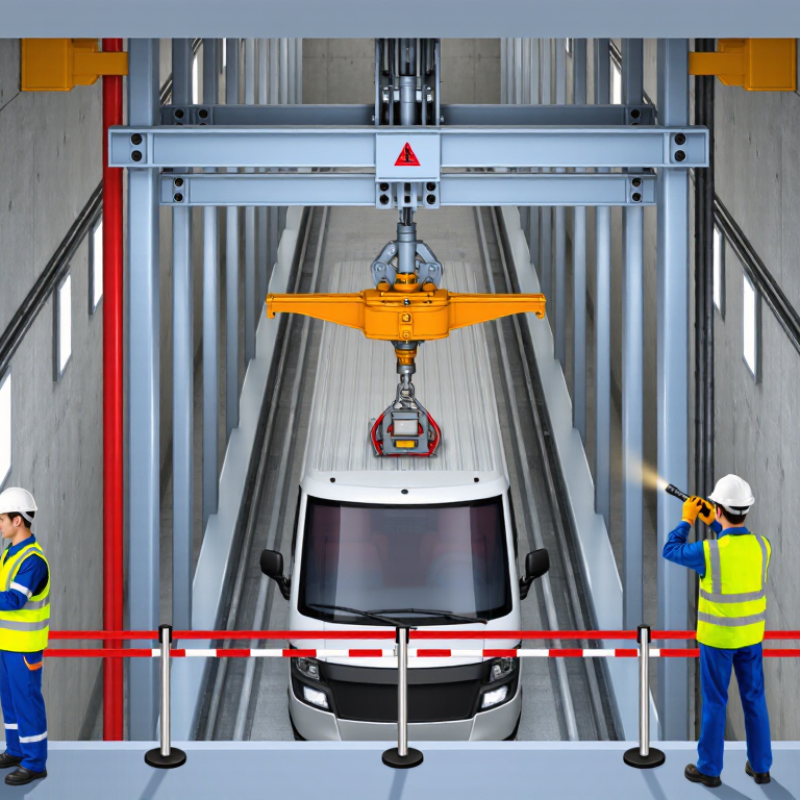
How to Test an Elevator Emergency Brake Safely

Who Is Qualified to Test an Elevator Emergency Brake

Who Is Qualified to Test an Elevator Emergency Brake

An elevator emergency brake should be tested only by a qualified elevator mechanic or technician with documented training in elevator systems, brake operation, and site-specific hazards. The person must also meet local licensing and inspection requirements. A general maintenance worker, building manager, or untrained contractor is not a substitute. The distinction matters.

The U.S. Bureau of Labor Statistics projects 6% employment growth for elevator and escalator installers and repairers from 2023 to 2033, reflecting sustained demand for specialized skills. Its Occupational Outlook Handbook also describes apprenticeship as a typical path into the trade. These figures do not certify anyone to perform a brake test; verify current credentials, relevant experience, and authorization for the specific equipment. ASME A17.2, the Guide for Inspection of Elevators, Escalators, and Moving Walks, provides inspection guidance, but applicable codes and local rules determine who may conduct or witness tests.

A competent tester plans the test, controls access to the hoistway and machinery space, and follows the applicable procedure. Test conditions may involve unexpected movement. Risk controls should account for that. Confirm communication, barriers, suitable instruments, and how test power will be controlled. If the procedure or brake response is unclear, stop and consult the responsible elevator professional or inspector. Small oversights matter. Even experienced teams should review the plan together.

What Safety Standards and Manufacturer Procedures Apply

A safe emergency-brake test begins with the governing code and the lift’s approved maintenance instructions. ASME A17.1/CSA B44 and EN 81-20/50 set requirements that depend on equipment type and jurisdiction. They do not make every brake test interchangeable. Confirm the required test interval, acceptance criteria, and authorized personnel before scheduling work. The manufacturer’s procedure should specify the test configuration, monitoring points, and permitted load or speed conditions. No shortcuts here.

Isolate the elevator from public service, secure access points, and apply site lockout/tagout procedures consistent with OSHA requirements. A qualified elevator professional should establish an exclusion zone and use the specified test equipment. Follow the procedure exactly; do not improvise a load, bypass a safety circuit, or conduct a test with passengers aboard. Record measured results, instrument details, defects, and corrective actions. A second qualified person can verify critical readings. That extra check is easy to overlook.

The U.S. Bureau of Labor Statistics reported 5,283 fatal work injuries across all industries in 2023, with a rate of 3.5 per 100,000 full-time equivalent workers. This broad figure is not elevator-specific, but it underscores why controlled work practices matter. After testing, return the lift to service only when results meet the applicable criteria and required records are complete. Procedures can feel repetitive; that is exactly when careful documentation matters.

How to Prepare the Elevator and Secure the Test Area

Before testing an elevator emergency brake, confirm the procedure with the qualified elevator team and the applicable inspection requirements. Review the test plan, identify the car, shaft, machine room, and every energy source involved. OSHA estimates that effective lockout/tagout prevents about 120 fatalities and 50,000 injuries each year. Treat energy control as a planned sequence, not a quick switch-off. Some test phases require controlled power, so document when isolation applies and who may authorize a change. A missed detail can matter.

Clear passengers from the car and notify building staff before removing the elevator from service. Post signs at every affected landing, then use sturdy barriers to keep occupants away from open entrances and work zones. Secure access to the machine room and pit. Keep radios or another agreed communication method available; test them before work begins. Brief the team on stop signals and emergency response. Keep the route clear.

The National Elevator Industry, Inc. reports roughly 18 billion U.S. elevator passenger trips annually, underscoring how many people may approach an out-of-service car. Assign one person to control access, and do not rely on a sign alone. Check that doors cannot be mistaken for normal service, and account for contractors or visitors nearby. It is easy to overlook a side entrance. Recheck the perimeter if the work area changes, and record who confirmed it.

How Authorized Technicians Conduct a Controlled Brake Test

An emergency-brake test is a controlled maintenance task, not a passenger demonstration. Authorized elevator technicians follow the site’s approved procedure, the applicable ASME A17.1/CSA B44 requirements, and directions from the authority having jurisdiction. They first remove the car from service, confirm it is empty, secure access points, and coordinate with building staff. No passengers aboard. The test area should be clearly marked, with reliable communication between the technician at the equipment and anyone monitoring the car. Tools and measuring devices must be suitable for the test and in serviceable condition.

Before applying the prescribed test conditions, technicians inspect relevant components and record the elevator’s initial condition. They then conduct the brake test using the approved sequence and specified limits, watching for abnormal movement, sound, or delayed stopping. If results fall outside the limits, they stop and investigate rather than repeating the test casually. The U.S. Bureau of Labor Statistics reported 5,283 fatal work injuries across all industries in 2023; that figure is not elevator-specific, but it underscores why controlled work practices matter. A checklist helps, but it cannot replace judgment. Even a successful test deserves careful documentation, since a single result cannot reveal every developing fault.

How to Test an Elevator Emergency Brake Safely - How Authorized Technicians Conduct a Controlled Brake Test

This overview is for planning and documentation. Emergency-brake testing must be performed only by authorized, qualified elevator personnel, following the elevator manufacturer’s procedure and applicable local requirements. It is not a substitute for those instructions.

Test phase What authorized technicians do What they verify or record Safety controls
1. Plan and review Review the equipment-specific test procedure, maintenance history, site conditions, and applicable inspection requirements before scheduling the test. Elevator identification, procedure revision, personnel authorization, planned test conditions, and required acceptance criteria. Do not proceed if the correct procedure, required personnel, or suitable test conditions are unavailable.
2. Control access and coordinate Coordinate with building management, notify affected occupants, and keep the elevator out of public service for the test. Access restrictions, communication arrangements, and confirmation that the test area is controlled. Keep passengers and unauthorized personnel out of the car, hoistway, machinery spaces, and other restricted work areas.
3. Inspect and prepare Inspect relevant brake components and associated equipment as directed by the manufacturer’s procedure. Use appropriate, in-date test instruments where required. Visible condition, identified defects, instrument identification or calibration status when applicable, and readiness to test. Apply the site’s risk controls and the procedure’s precautions for electrical, mechanical, and fall hazards. Never defeat a safety device to carry out an improvised test.
4. Conduct the controlled test Carry out only the prescribed test sequence, under the conditions specified for that elevator. Maintain communication among the authorized personnel involved. Test conditions and observations required by the procedure, such as brake response and any specified measured results. Stop if conditions differ from the procedure, communication is lost, an unexpected movement occurs, or a hazard is identified.
5. Evaluate results Compare observations and measurements with the acceptance criteria specified by the manufacturer and applicable requirements. Pass, fail, or inconclusive result; deviations; and any corrective work needed. Do not substitute generic limits for equipment-specific criteria. If the brake does not meet the applicable criteria, keep the elevator out of service until it has been assessed and cleared by authorized personnel.
6. Restore and document Complete the manufacturer’s restoration checks, confirm the elevator’s status, and notify the responsible building contact. Date, personnel, procedure used, results, defects, corrective actions, and authorization for return to service. Return the elevator to public service only after required checks are complete and any applicable release or inspection requirements are satisfied.

Acceptance criteria and test methods vary by elevator design and jurisdiction. Follow the equipment-specific instructions and applicable local rules; do not use this table as a standalone test procedure.

How to Document Results and Address Test Failures

Documenting an elevator emergency brake test is part of the safety control, not an afterthought. Only qualified personnel should perform testing, using the approved procedure for that elevator. Record the date, equipment identification, test conditions, procedure reference, and names of the technician and witness. Note relevant readings and the stated acceptance criteria. Keep it factual. “Passed” alone is not enough.

If a result falls outside the criteria, record the exact observation, including unusual noise, delayed response, or a reading that varies from expectations. Stop the test and follow the site’s process for taking the elevator out of service and notifying responsible personnel. Do not adjust equipment or repeat a test merely to obtain a passing result. Record the fault, any corrective work, and the separate retest result, with dates and approvals. Clear records help the next technician understand what changed. Small details matter. A rushed entry can leave gaps; I would rather note an uncertainty than disguise it as a confirmed finding. Keep reports in the designated maintenance record, available to authorized reviewers.

FAQS

Who should perform an emergency-brake test?

Only qualified elevator professionals should perform it, following the approved procedure for that specific lift. Experience matters.

Should passengers remain in the elevator during testing?

No. The elevator should be empty and removed from public service before testing begins. No riders aboard.

What should be checked before the test?

Confirm applicable requirements, test conditions, acceptance criteria, and authorized personnel. Secure access points and follow site isolation procedures.

How should the test area be managed?

Mark an exclusion zone and maintain clear communication between the technician and anyone monitoring the car. Keep building staff informed.

What should technicians watch for during testing?

Follow the specified test sequence and limits. Watch for unusual movement, sounds, or delayed stopping. Stop if results seem abnormal.

What details belong in the test record?

Record the date, equipment identification, test conditions, procedure reference, personnel, readings, and acceptance criteria. “Passed” alone is not enough.

What should happen if a test result falls outside the limits?

Stop and follow the site process for taking the elevator out of service. Record the exact finding and notify responsible personnel.

Is it acceptable to repeat a test just to get a passing result?

No. Investigate the issue and document corrective work before any authorized retest. A rushed repeat can hide useful clues.

When can the elevator return to service?

Only when results meet applicable criteria and required records are complete. A successful test cannot reveal every developing fault.

Conclusion

An elevator emergency brake test should be planned and performed only by qualified elevator technicians familiar with the equipment and applicable safety standards. Before testing, they review the manufacturer’s procedures, assess the elevator’s condition, and coordinate the work with building staff. The elevator is taken out of service, occupants are kept away, and the test area is secured so the assessment can be conducted under controlled conditions.

What happens during an elevator emergency brake test depends on the elevator design and approved test procedure. Authorized technicians check the relevant components and observe the brake’s response using the prescribed method, without exposing passengers or bystanders to risk. They then record the test conditions, observations, and results, and compare them with the required criteria. If the brake does not perform as expected, the elevator remains out of service until the issue is assessed, corrected, and the required follow-up testing is completed.

Isabella

Isabella

Isabella is a dedicated marketing professional with a sharp focus on driving brand growth and engagement through strategic content creation. With an extensive background in digital marketing, she combines her passion for storytelling with her keen understanding of industry trends to deliver......