In today’s industrial world, safety is paramount. Identifying counterfeit lifting components is critical for ensuring workplace reliability. Many companies face the challenge of unsafe tools, which can lead to accidents. As manufacturers strive to lower costs, counterfeit products have become increasingly common.
Knowing how to identify counterfeit lifting components can make a significant difference in safety practices. Genuine lifting gear undergoes rigorous testing and adheres to strict guidelines. Counterfeit components often lack these qualities, putting users in danger. It’s crucial to inspect the equipment closely. Look for signs such as poor craftsmanship or missing certification marks.
To enhance safety standards, companies should invest in training programs. Educating employees about counterfeit products creates a knowledgeable workforce. This proactive approach reduces risks and encourages a culture of safety. Remember, vigilance is essential. Each lifting operation should begin with a thorough inspection, ensuring that every component is reliable and safe. By understanding how to identify counterfeit lifting components, we can protect lives and maintain industry integrity.
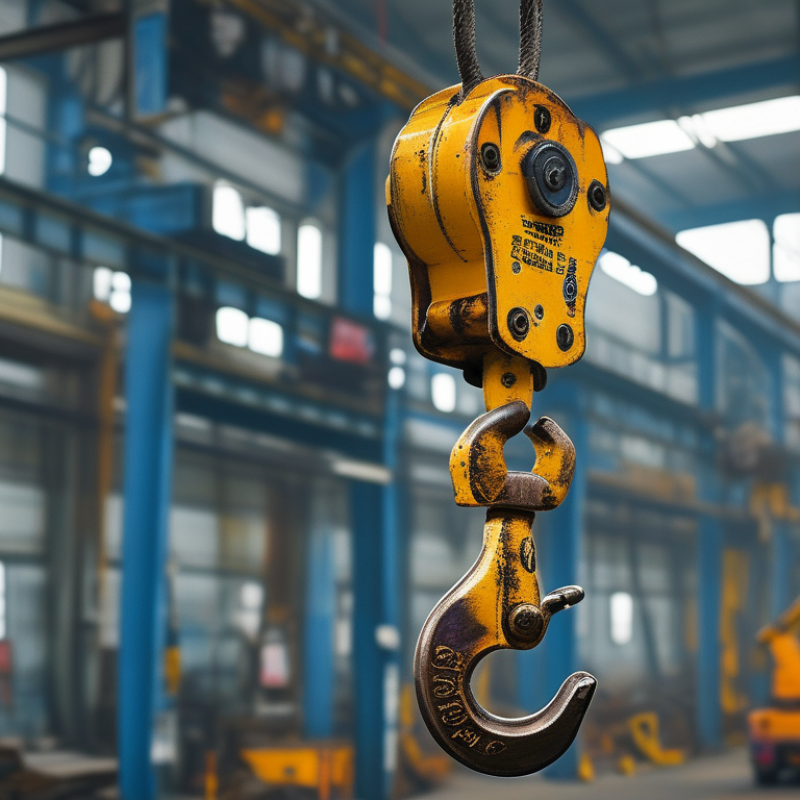
Understanding the importance of authentic lifting components is crucial for safety and efficiency in various industries. According to a report by the International Organization for Standardization (ISO), improper lifting equipment contributes to over 30% of workplace injuries annually. Genuine lifting components adhere to strict manufacturing standards, ensuring durability and reliability under heavy loads. Using counterfeit products compromises both worker safety and operational integrity.
Tips to identify authentic lifting components include checking certification labels. Genuine products often carry ISO certification, which is vital for compliance. Also, examine the physical attributes for inconsistencies, such as poor finishes or incorrect markings. Regular training on identifying counterfeit components can enhance safety measures.
Investing in verified lifting systems fosters a safer working environment. Research suggests that companies prioritizing authentic equipment see a 20% reduction in accident rates. It is essential to acknowledge that even small details, like missing logos or unusual packaging, can indicate counterfeits. Vigilance is necessary to avoid complacency in equipment checks. The consequences of overlooking these factors can be serious.
When identifying counterfeit lifting components, it's crucial to recognize specific characteristics. Many counterfeit products exhibit poor craftsmanship. Look for rough edges or uneven finishes. Genuine components usually have a smoother texture, indicating quality manufacturing. Inspect welds closely; counterfeit items may show inconsistent weld patterns. Authentic ones display uniform and clean weld beads.
Another common sign of counterfeit components is incorrect labeling. Many counterfeit products might lack essential certification marks. Verify the manufacturer's details. Authentic lifting components typically provide detailed specifications and safety certifications.
Weight can also be a telltale indicator. Counterfeit parts are often lighter than original components. This discrepancy can compromise safety. Always compare the weight to known standards. Documentation associated with lifting components can also be misleading. Investigate any inconsistencies in paperwork. Being vigilant and knowledgeable is key to ensuring safety in lifting operations.
To ensure the safety of lifting operations, a proper visual inspection of lifting equipment is crucial. The Global Lifting Equipment Market report reveals that around 20% of lifting accidents are attributed to equipment failure due to poor maintenance or counterfeit parts. Identifying these components requires keen observation and a basic understanding of genuine hardware features.
Inspectors should look for signs of wear, such as unusual scratches or dents. Counterfeit parts often have subtle discrepancies in color and finish. Genuine components commonly display clear branding and manufacturing marks, which knockoffs might lack or imitate poorly. The absence of standardized markings can indicate a potential safety risk.
Effective inspections demand regular practice and an eye for detail. Inadequate training can lead to overlooked faults. Inspectors must also keep abreast of the latest manufacturing standards and technological advancements to avoid missing vital indicators. Visual inspection is not just a task; it's a responsibility that can impact lives and operations significantly.
Verifying the authenticity of lifting components is crucial. Counterfeit parts can cause severe accidents. A report by the National Institute for Occupational Safety and Health states that over 6,000 workplace injuries are linked to equipment failure each year. Using technology to verify lifting components can mitigate these risks significantly.
One effective method is the use of RFID tags. These tags embed unique identifiers in authentic components. Scanning them allows users to confirm the part's origin quickly. A survey by the Lifting Equipment Engineers Association found that 80% of companies using RFID technology reported better equipment reliability. This improvement signifies the importance of tech in enhancing safety.
Another promising technology is blockchain. It provides a transparent ledger of the component's entire supply chain. This method allows stakeholders to trace a part's journey from production to installation. An analysis from the World Economic Forum highlights that blockchain can reduce counterfeit incidents by up to 30%. Yet, despite these advancements, challenges remain. Many companies hesitate to adopt new technologies due to costs or lack of training. Finding a balance between innovation and practicality is essential.
When sourcing genuine lifting products, knowledge is your best ally. Understanding the specifications and standards for lifting components is crucial. Look for certifications that indicate compliance with industry standards. Inspecting products for marks or seals of authenticity can help in verifying their legitimacy. Genuine products often come with detailed documentation outlining their specifications and usage guidelines.
Building relationships with trusted suppliers is another important practice. A reputable supplier will provide transparent information about their sourcing processes. Engaging with suppliers who have a solid track record can enhance your confidence in the products. However, be mindful; even established suppliers may occasionally have issues. Regularly assess their reliability through customer feedback and performance history.
Physical inspection of lifting components before purchase is essential. Look out for signs of poor craftsmanship. Uneven seams or inadequate labeling can indicate counterfeits. It is wise to test products against known standards, even reputable brands can fail. Trust your instincts; if something feels off, investigate further. Making informed decisions can prevent costly mistakes in the long run.
: Visual inspection is crucial to ensure safety. It prevents accidents caused by equipment failure.
Inspectors should check for wear, unusual scratches, and poor finish on components.
Look for discrepancies in color, finish, and absence of clear branding or manufacturing marks.
RFID tags and blockchain technology can verify parts’ authenticity and trace their supply chain.
RFID technology improves equipment reliability. Many companies report better outcomes with its use.
Understand specifications, look for certifications, and inspect for authenticity marks on products.
Trusted suppliers provide reliable information and enhance confidence in product authenticity.
Physical inspection is key. Look for signs of craftsmanship issues or poor labeling.
Yes, even reliable suppliers can have problems occasionally. Regularly assess their performance.
Trust your instincts and investigate further before making a purchase decision.
Understanding how to identify counterfeit lifting components is crucial for ensuring safety and reliability in lifting operations. Authentic lifting components are designed and tested to meet strict safety standards, while counterfeit products may compromise the integrity of equipment and increase the risk of accidents. Common characteristics of counterfeit lifting components include poor craftsmanship, lack of certification marks, and mismatched specifications.
Effective visual inspection techniques involve examining the product for quality indicators, such as proper labeling and detailed manufacturing information. Additionally, leveraging technology such as QR codes or authentication apps can aid in verifying the authenticity of lifting components. To minimize the risk of counterfeit products, it is essential to adhere to best practices for sourcing genuine lifting products, including purchasing from reputable suppliers and conducting thorough background research.

Glinder lift