When investing in a new hoist, conducting a load test is essential. This critical procedure ensures safety and operational efficiency. According to John Williams, a recognized expert in lifting equipment safety, "Performing a load test is the final verification step for any new hoist." This emphasizes the importance of this test.
Load testing verifies that the hoist can handle intended weights without failure. Skipping this step may lead to dangerous situations, such as equipment malfunction. Many companies overlook the testing process, assuming products are safe out of the box. This can be a costly mistake.
Consider the specific weight limits of the hoist. Conducting a test with various loads provides valuable data. It identifies weaknesses that might not be apparent initially. Therefore, exploring "How to perform a load test on a new hoist" should become a priority for all operators. This proactive approach promotes safety and builds trust in equipment.
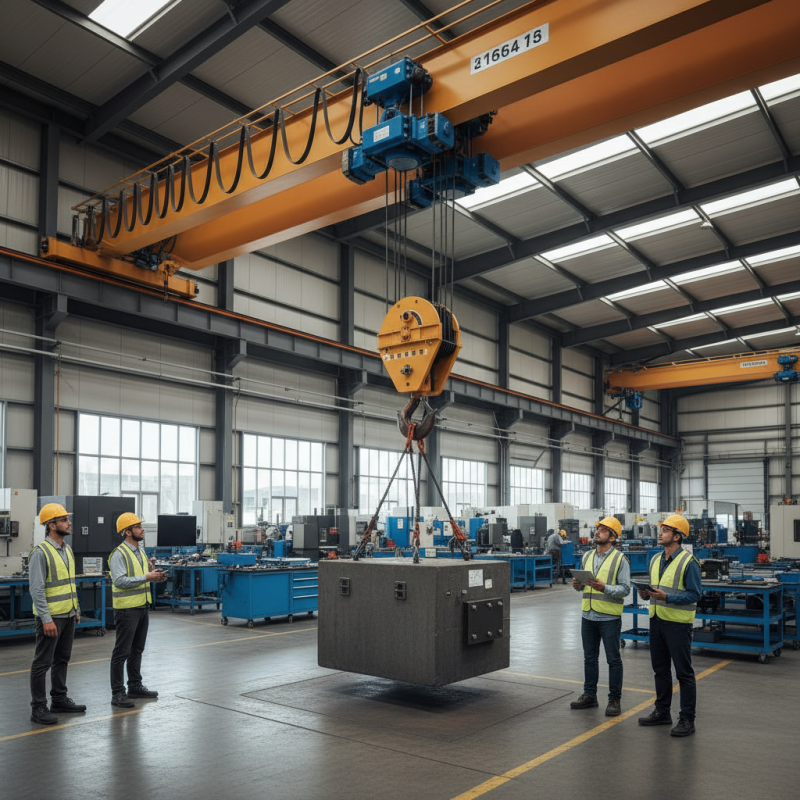
When installing a new hoist, ensuring safety is paramount. Load testing plays a crucial role in this process. It assesses the hoist's performance under various conditions. By applying the maximum rated load, operators can determine if the hoist functions correctly. This step confirms that the hoist can handle real-world scenarios effectively.
Load testing also identifies potential weaknesses. Small flaws can escalate into serious issues if overlooked. Unexpected results during tests can indicate design or manufacturing inconsistencies. Therefore, it's vital to conduct these tests meticulously. Observing the hoist during operation reveals much about its reliability. Regular testing and careful monitoring enhance overall safety.
Ignoring load testing might lead to accidents. These incidents often result from equipment failure. Inadequate preparation and lack of testing can have grave consequences. Therefore, prioritizing load tests on new hoists strongly influences workplace safety. Each test contributes to a more secure operating environment for everyone involved.
| Test Aspect | Description | Recommended Frequency | Critical Load Ratings (Tons) | Compliance Standards |
|---|---|---|---|---|
| Static Load Test | Assess hoist performance under maximum load without movement. | Before first use and annually thereafter | 5, 10, 15 | ISO 4367 |
| Dynamic Load Test | Test hoist operation with movement under load to evaluate functionality. | Quarterly | 5, 10, 15 | ASME B30.16 |
| Safety Device Functionality Test | Check all safety features, including overload protection. | Monthly | N/A | OSHA |
| Wire Rope Inspection | Visual and physical assessment of wire ropes for wear and corrosion. | Weekly | N/A | API RP 9B |
| Load Monitoring System Check | Verify functionality and accuracy of load monitoring systems. | Bi-annually | N/A | ISO 9001 |
: Load testing ensures safety and functionality by simulating the maximum load the hoist will handle.
Verify the hoist's specifications and ensure it is installed correctly to avoid potential issues.
Gradually increase the load while monitoring performance for unusual sounds or vibrations.
Document any unusual signs immediately and consider reevaluating your testing methods.
It helps spot inefficiencies like lagging movements, which indicate possible mechanical or electrical failures.
Inspect cables and hooks for wear, addressing any issues to maintain safety standards.
Clear records of tests and maintenance help track performance and identify potential problems early.
Use a standardized format, including load weights and any noted anomalies for clarity.
It simplifies team communication and ensures everyone is aware of safety and reliability measures.
Failing to maintain proper records can lead to severe operational risks and safety concerns.
Performing a load test on a new hoist is essential to ensure safety and reliability in lifting operations. Load testing guarantees that the hoist can handle its specified weight limits, thus preventing potential accidents and equipment failures. Understanding load capacity specifications is crucial, as it directly impacts the safe operational limits of the hoist.
To conduct a load test effectively, follow a step-by-step process that includes selecting appropriate weights, securing them correctly, and monitoring the hoist's performance under load. Common issues, such as structural weaknesses or mechanical failures, can be detected during these tests, highlighting the importance of regular inspections. Additionally, best practices for documenting load test results and maintenance activities are vital for compliance and future reference. In summary, knowing how to perform a load test on a new hoist is critical for ensuring safety and operational efficiency in lifting tasks.

 Glinder lift