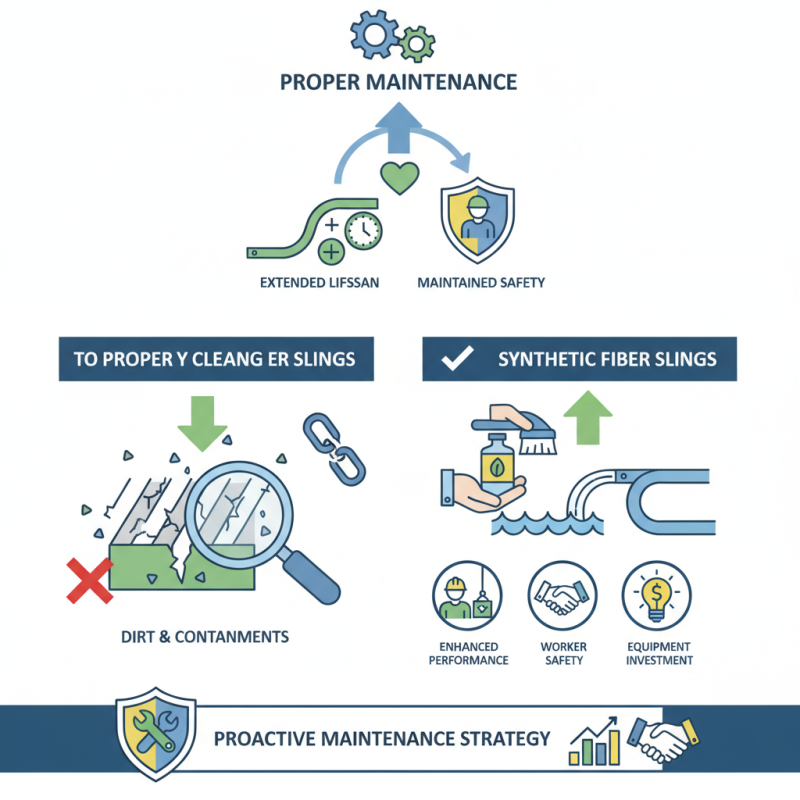
When it comes to using synthetic fiber slings in demanding environments, proper maintenance is crucial. Industry expert Mark Anderson states, “Cleaning slings correctly can extend their lifespan and maintain safety.” Many overlook the importance of cleaning these slings, assuming they are durable enough to withstand neglect. However, dirt and contaminants can weaken the fibers over time, leading to potential failures.
Understanding how to clean synthetic fiber slings without damaging them is essential for anyone in the lifting and rigging industry. Regular cleaning not only enhances performance but also ensures the safety of workers. Common cleaning methods involve using mild detergents and following manufacturer guidelines. Even then, mistakes can happen, such as using harsh chemicals that may compromise the integrity of the slings.
Investing time in learning the correct cleaning methods is necessary. It protects both the investment in equipment and the safety of personnel. Rather than viewing cleaning as a chore, it should be part of a proactive maintenance strategy. This approach creates a safer work environment and promotes efficiency in operations.
The Significance of Proper Cleaning for Synthetic Fiber Slings
Proper cleaning of synthetic fiber slings is essential for ensuring their longevity and performance. These slings, commonly made from materials like nylon or polyester, are used in various lifting applications. Over time, dirt, grit, and moisture can accumulate, degrading the fibers’ strength. When slings are not cleaned regularly, their reliability can fade, leading to potential hazards during lifting operations.
Cleaning synthetic fiber slings not only helps maintain their structural integrity but also enhances safety. Contaminants can cause unseen wear, increasing the risk of failure. A thorough inspection should accompany any cleaning process, allowing for early detection of damage. Despite the importance of this routine, it is often overlooked, which can lead to dangerous situations on the job.
It's important to note that improper cleaning methods can cause more harm than good. Using harsh chemicals or high heat can weaken fibers, making slings less effective. Each sling has specific care instructions that should be adhered to for optimal results. Reevaluating cleaning practices is necessary, as even small oversights can lead to significant consequences in safety and performance.
Understanding the Composition of Synthetic Fiber Slings
Synthetic fiber slings are made from materials like nylon and polyester. These fibers offer strength and durability. However, their composition also makes them susceptible to damage. Dirt, oil, and other contaminants can weaken the fibers over time. Regular cleaning is essential to maintain their structural integrity.
The properties of synthetic fibers affect their interaction with the environment. For example, UV rays can degrade the material, leading to potential failure during lifting operations. Additionally, moisture can contribute to mold growth, which poses safety risks. Understanding these aspects can help users make informed decisions regarding sling maintenance and usage.
Failing to clean synthetic fiber slings may seem minor, but it can have serious consequences. A neglected sling can rupture under pressure, leading to accidents. Users must recognize that proper care is a responsibility. Developing a routine to inspect and clean these tools can enhance safety and extend their lifespan.
Why Is It Important to Clean Synthetic Fiber Slings Properly? - Understanding the Composition of Synthetic Fiber Slings
| Property |
Description |
Significance |
| Material Composition |
Typically made from polyester or nylon fibers. |
Affects strength, durability, and resistance to environmental factors. |
| Cleaning Frequency |
Should be cleaned after each use or when contaminated. |
Prevents degradation and ensures safety during lifting operations. |
| Cleaning Methods |
Use mild detergents and warm water; avoid harsh chemicals. |
Protects fiber integrity and prolongs sling life. |
| Inspection Routine |
Regularly check for wear, fraying, or damage. |
Ensures safety and performance reliability. |
| Environmental Resistance |
Resistant to UV light, chemicals, and moisture. |
Important for use in varied and harsh conditions. |
| Washing Instructions |
Hand wash or machine wash on a gentle cycle. |
Prevents damage and maintains performance characteristics. |
Impact of Dirt and Contaminants on Sling Performance
Dirt and contaminants can significantly reduce the performance of synthetic fiber slings. According to industry reports, slings exposed to dust and grime can experience a 30% decrease in strength. Even small particles can embed into the fibers, causing microscopic damage that may not be immediately visible. Regular inspection is crucial to identify wear, but many users overlook the importance of cleaning.
Cleaning methods vary, yet improper techniques can exacerbate issues. High-temperature washing may compromise the integrity of the fibers. A report from a leading safety organization states that 37% of users do not adhere to specified cleaning guidelines. These actions can lead to catastrophic failures during lifting operations. Understanding the impact of contaminants is essential for ensuring safety.
Maintaining the cleanliness of slings extends their lifespan, but many users are unaware of this correlation. Research indicates that slings maintained in clean conditions can last up to 50% longer compared to those that are dirty. Safety protocols should emphasize the need for periodic cleaning. Otherwise, the effectiveness of synthetic fiber slings diminishes, which can pose serious risks in the workplace.
Best Practices for Cleaning Synthetic Fiber Slings
Cleaning synthetic fiber slings is essential for safety and longevity. Proper cleaning removes dirt and contaminants that can weaken the fibers. Regular maintenance helps prevent potential failures during use. Here are some best practices for keeping synthetic fiber slings in optimal condition.
When cleaning, use mild soap and warm water. Avoid strong chemicals, as they can degrade the fibers. Gently scrub the slings with a soft brush. Rinse thoroughly to remove all soap residue, as it can cause buildup over time. After cleaning, hang the slings to dry in a shaded area. Prolonged exposure to sunlight can weaken the material.
**Tips:** Regular inspections are crucial. Check for frays, cuts, or discoloration. If you find significant damage, consider replacing the sling. Be mindful of usage conditions. Slings should not be used in harsh environments without appropriate protection. Maintaining awareness of cleaning frequency is vital; over-cleaning can wear out fibers faster.
Importance of Properly Cleaning Synthetic Fiber Slings
Consequences of Improper Cleaning Methods on Safety and Longevity
Cleaning synthetic fiber slings is crucial for safety and durability. Using improper cleaning methods can lead to serious consequences. For instance, harsh chemicals can weaken the fibers, making them prone to breakage. If slings are not cleaned properly, dirt and grime can accumulate. This buildup can hide signs of wear and tear, compromising their integrity.
Many users overlook manufacturer guidelines. This can involve using the wrong methods or neglecting routine cleanings. A sling that seems fine may fail under heavy loads due to unseen damage. Additionally, improper storage can diminish a sling's lifespan. Keeping them in damp or unventilated areas invites mold growth. Mold not only compromises the sling but also presents health risks.
It's essential to adopt the right cleaning techniques. Gentle detergents are often recommended to maintain their structure. Regular inspections should accompany cleanings to identify any potential issues. Users must acknowledge that neglecting these practices can lead to accidents and injuries. The consequences of improper cleaning are not just financial; they can be life-altering.
Conclusion
Proper cleaning of synthetic fiber slings is crucial for maintaining their performance and ensuring safety during lifting operations. The composition of these slings, typically made from materials like nylon or polyester, makes them susceptible to the damaging effects of dirt and contaminants. Such impurities can significantly impact their strength and durability, potentially leading to unsafe lifting situations. Therefore, understanding how to clean synthetic fiber slings without damaging them is essential for their longevity and effectiveness.
To achieve optimal cleaning, best practices include using mild detergents, avoiding harsh chemicals, and ensuring that the slings are thoroughly rinsed to remove all residues. Additionally, it is important to follow manufacturer guidelines and inspect the slings regularly for wear or damage after cleaning. Failing to adhere to these proper cleaning methods can result in decreased safety and a shorter lifespan for the slings, underscoring the importance of regular maintenance.

 Glinder lift