How to Inspect Steel Wire Ropes for Wear and Damage?

Time:2026-04-29 Author:Aria
0%

Inspecting steel wire ropes for wear is crucial for safety in numerous applications. These ropes are widely used in construction, marine, and industrial environments. Over time, they endure significant stress, leading to potential wear and damage. Knowing how to inspect steel wire ropes for wear can prevent catastrophic failures.

When checking these ropes, look for visible signs of deterioration. Broken wires, corrosion, and less flexibility are red flags. Regular inspections promote reliability and longevity of the ropes. Skipping these checks can have severe consequences.

Experts recommend conducting these inspections before and after use. Use proper tools for a thorough assessment. Learning how to inspect steel wire ropes for wear is essential for any operator. Being attentive to details can save lives and avoid costly downtime. By fostering a culture of safety, teams can mitigate risks associated with worn and damaged ropes. Remember, consistent vigilance is key.
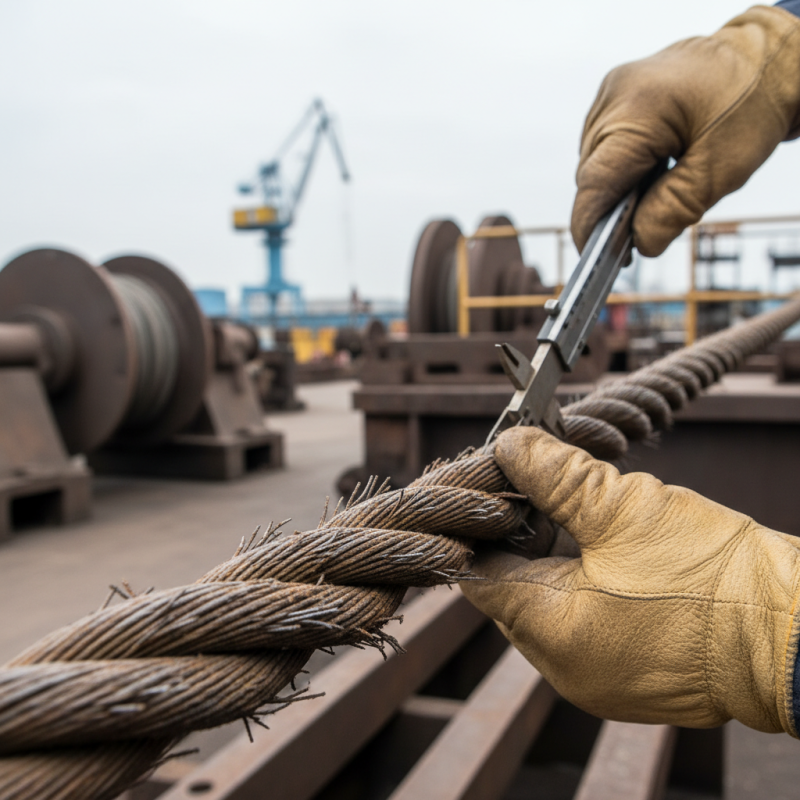
How to Inspect Steel Wire Ropes for Wear and Damage?

Understanding Steel Wire Rope Composition and Standards

Understanding the composition of steel wire ropes is crucial for ensuring safety and performance. Steel wire ropes consist of individual wires, strands, and a core. The wires are often made from high-carbon steel, which provides strength and durability. These components are twisted together to form strands, and multiple strands are combined to create the rope. Knowing the material specifications is essential, as it directly affects the rope's load capacity and resilience.

Various industry standards govern steel wire ropes. These standards dictate the manufacturing processes and material requirements. Compliance with these standards ensures that the ropes can withstand specific loads and environmental conditions. However, not all manufacturers adhere to these standards consistently. It’s crucial for users to verify the certification and quality evidence before using any rope. Inspection protocols should include checking for compliance marks and detailed specifications.

Regular inspections are vital, focusing on visual signs of wear and fatigue. Look for broken wires, corrosion, or deformation. Even mild signs of damage might indicate deeper issues. Uncovering these problems early can prevent catastrophic failures. Emphasizing the importance of diligence in checking can foster greater safety practices within industries that rely on steel wire ropes.

Inspection Results of Steel Wire Ropes for Wear and Damage

Common Types of Wear and Damage in Steel Wire Ropes

Inspecting steel wire ropes for wear and damage is crucial for maintaining safety and efficiency. Common wear types involve abrasion, corrosion, and fatigue. Abrasion occurs from rubbing against surfaces or loads, which can lead to significant rope degradation. Data shows that 30% of rope failures result from abrasion.

Corrosion is another prevalent issue. Exposure to moisture and chemicals can lead to rust, weakening the wire strands. Reports indicate that ropes in harsh environments may lose up to 50% of their strength due to corrosion. Fatigue happens when ropes are subject to repeated loads, causing wire breakage over time.

Tips: Inspect ropes regularly for signs of fraying and discoloration. Look closely at load points and terminations. Don't ignore small damages; they can escalate quickly. Examination of the rope's core is also essential. Damage there may not be immediately visible but can compromise overall integrity.

Inspection Techniques for Identifying Surface Defects

Inspecting steel wire ropes for wear and damage involves several key techniques. Visual inspection is crucial for identifying surface defects. Look for fraying, broken wires, or unusual surface corrosion. Pay attention to the areas near fittings and terminations, as these locations often experience the most wear. A simple magnifying glass can help you see details more clearly.

Remember to check for distortion in the rope’s shape. If the rope is bent or has an irregular appearance, it likely has internal damage. Additionally, using a wire brush can help remove dirt or grime, allowing for a better assessment of the steel’s surface condition.

Tip: Regular inspections are essential for safety. Document your findings to track the wear over time. Being proactive can prevent dangerous failures. Also, it’s good practice to involve multiple people in the inspection process to gain different perspectives. Collective observations can uncover hidden issues that one person might miss.

Evaluating Tensile Strength and Load Capacity Loss

When inspecting steel wire ropes, evaluating tensile strength and load capacity is crucial. These ropes face immense tension during use. Over time, wear and damage can significantly reduce their ability to handle weight safely. A thorough inspection reveals hidden issues that may impact performance.

Look for signs of corrosion, fraying, or broken wires. Such damage indicates that the rope's tensile strength is compromised. Even minor wear can lead to major failures. A rope that appears intact might still have reduced load capacity. Regular visual checks can help identify these risks early on. If a rope feels slick or seems to stretch unnecessarily, it may be time to replace it.

Assessing the load capacity involves more than just visual inspections. It's essential to test in controlled conditions if possible. Understanding how much weight a rope can handle under specific circumstances is vital. This knowledge can prevent accidents and injuries. Consider keeping detailed logs of inspections and tests. Reflecting on these records can enhance safety measures in the long run.

How to Inspect Steel Wire Ropes for Wear and Damage? - Evaluating Tensile Strength and Load Capacity Loss

Inspection Method Criteria Acceptable Limits Consequences of Exceeding Limits
Visual Inspection Fraying, Kinking, Corrosion No visible frays or kinks; minimal corrosion Potential for sudden failure
Diameter Check Reduction in Diameter Within 10% of original diameter Loss of strength
Load Test Load Capacity 75% of rated load capacity Risk of overload and failure
Lubrication Inspection Lubricant Quality Clean and effective lubricant Increased wear and reduced lifespan
Wire Breakage Examination Number of Broken Wires Less than 10% broken wires Significant risk of catastrophic failure

Maintenance Practices to Extend Steel Wire Rope Lifespan

Steel wire ropes are essential for heavy lifting and rigging applications. Regular maintenance practices can significantly extend their lifespan. Inspecting the ropes often is crucial. Look for wear patterns, broken wires, and corrosion. A single damaged wire can compromise the entire rope.

Proper lubrication is vital. It helps reduce friction and wear. Ensure the rope is clean before applying lubricant. Use the appropriate type as per the manufacturer’s guidelines. Visual inspections should be frequent. Note all irregularities and address issues immediately, as delays can lead to more significant problems.

Storage plays a key role in rope longevity. Store ropes in a cool, dry place away from direct sunlight. Even small factors, like humidity, can affect their condition. Reevaluate your maintenance schedule periodically. What might have worked before may not meet current demands. Stay observant and proactive in your care routine.

FAQS

: What are the main components of steel wire ropes?

: Steel wire ropes consist of individual wires, strands, and a core. High-carbon steel is often used for wires.

Why are industry standards important for steel wire ropes?

Standards dictate manufacturing processes and material requirements. They ensure ropes can withstand specific loads and conditions.

How can users verify the quality of steel wire ropes?

Users should check for compliance marks and detailed specifications. Request certification from manufacturers before use.

What should I look for during rope inspections?

Inspect for wear, broken wires, corrosion, and deformation. Even minor damage can signal deeper issues.

How does abrasion affect steel wire ropes?

Abrasion occurs from rubbing against surfaces, causing significant degradation. Approximately 30% of failures are due to this issue.

What impact does corrosion have on steel wire ropes?

Corrosion weakens wire strands, especially in moist or chemical environments. Ropes can lose up to 50% strength from rust.

What maintenance practices can extend rope lifespan?

Regular inspections, proper lubrication, and appropriate storage are key. Address irregularities immediately to prevent worsening issues.

How should steel wire ropes be stored?

Store ropes in a cool, dry area, away from sunlight. Humidity can negatively affect their condition.

Why is lubrication important for steel wire ropes?

Lubrication reduces friction and wear. Ensure the rope is clean before applying lubricant as per guidelines.

How often should maintenance schedules be reevaluated?

Regularly reassess maintenance practices. What worked before may not suit current demands and conditions.

Conclusion

Inspecting steel wire ropes for wear is crucial for ensuring safety and performance in various applications. The inspection process begins with understanding the composition and standards of steel wire ropes, which helps in recognizing the specific types of wear and damage that may occur. Common issues include surface defects, corrosion, and loss of tensile strength. Utilizing effective inspection techniques is essential for identifying these defects early, including visual checks and tactile assessments.

Evaluating the tensile strength and load capacity of the wire ropes is another critical step in the inspection process. Regular maintenance practices can significantly extend the lifespan of steel wire ropes, ensuring their reliability and functionality. By following these guidelines on how to inspect steel wire ropes for wear, operators can prevent accidents and enhance the performance of their equipment.

Aria

Aria

Aria is a dedicated marketing professional with a deep passion for innovative strategies and a keen understanding of our company's product offerings. With a wealth of experience in the industry, Aria excels at crafting engaging content that highlights the unique features and benefits of our......