How to Properly Lubricate Elevator Guide Rails for Best Performance?

Time:2026-05-03 Author:Henry
0%

Proper lubrication of elevator guide rails is essential for optimal performance. A well-maintained elevator system can enhance safety and efficiency. According to a 2022 industry report by the Elevator Safety Foundation, over 30% of elevator malfunctions are linked to poor maintenance and lubrication practices. These issues can result in costly downtimes and potential safety hazards.

Understanding how to lubricate elevator guide rails properly can prevent these complications. The right lubrication reduces friction, increases lifespan, and improves overall functionality. However, many professionals often overlook the correct lubrication frequency and methods. A recent survey revealed that nearly 40% of technicians admitted to insufficient training in this area.

In practice, guiding rail maintenance often lacks attention. Operators need clear procedures to ensure consistent application. Real-world cases highlight that neglecting this aspect can lead to inefficiencies. It's crucial to revisit lubrication techniques regularly. Ensuring adequate training and resources can lead to more reliable and safer elevator systems.
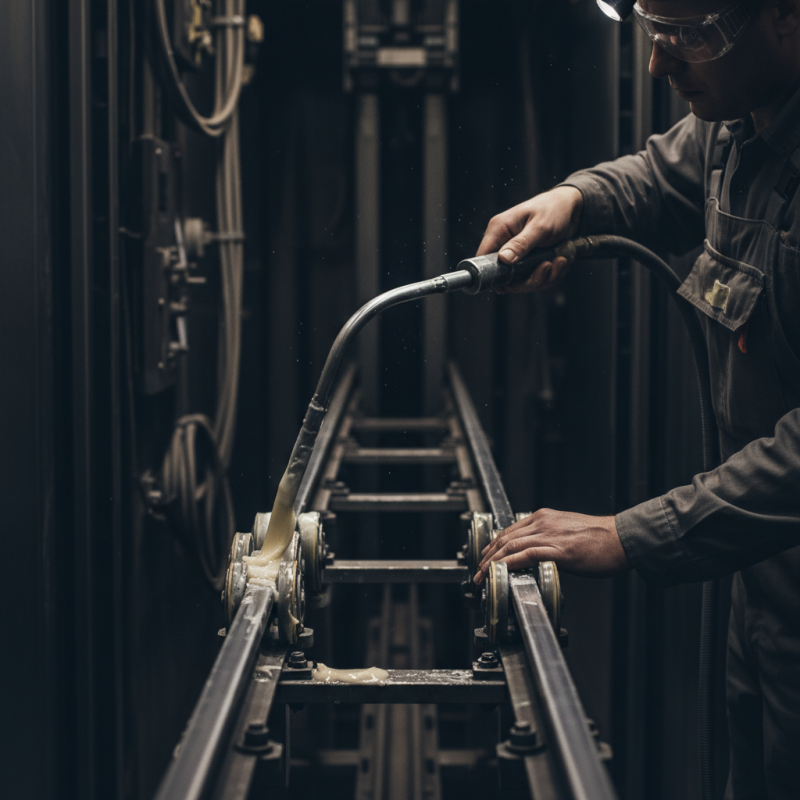
How to Properly Lubricate Elevator Guide Rails for Best Performance?

Understanding the Importance of Lubrication for Elevator Performance

Proper lubrication is essential for elevator guide rails. It significantly impacts the elevator's overall performance and longevity. When guide rails lack proper lubrication, friction increases. This leads to wear and tear on both the rails and the elevator system. As a result, it can cause noisy operation and inconsistent motion.

To effectively lubricate guide rails, it’s vital to choose the right type of lubricant. The lubricant should withstand varying temperatures and resist moisture. Regular maintenance checks can identify when lubrication is needed. Ignoring these checks can lead to costly repairs and downtime. Observing the elevator's performance can provide insight. If the ride becomes jerky or loud, it’s time for attention.

It’s important to note that over-lubrication can also present issues. Excess lubricant may attract dirt and debris. This can create additional friction, negating any benefits. Striking the right balance is key. An experienced technician can evaluate and recommend an appropriate maintenance schedule. Understanding these factors is crucial for optimal elevator performance.

Types of Lubricants Suitable for Elevator Guide Rails

Choosing the right lubricants for elevator guide rails is essential for optimal performance. There are several types of lubricants that are commonly used in this application. Grease-based lubricants typically offer good adhesion to surfaces, reducing wear and tear. They can withstand heavy loads and are particularly useful in high-traffic environments. However, improper application can lead to buildup, which may need constant maintenance.

Another option is oil-based lubricants. These are often easier to apply and provide smooth operation. They penetrate quickly to reduce friction. However, oil can drip or evaporate, requiring more frequent applications. It’s crucial to monitor the rail conditions to prevent issues. Some facilities may even consider dry lubricants, which minimize mess but offer less durability. Each type has its pros and cons.

Selecting a suitable lubricant involves understanding your environment and usage patterns. Sometimes, operators might overlook maintenance schedules or apply the wrong product. This can lead to performance issues or increased wear. Regular inspections and user training can mitigate these risks. Proper planning ensures that elevators operate smoothly and efficiently over time.

Elevator Guide Rails Lubricants Comparison

Step-by-Step Guide to Proper Lubrication Techniques

Properly lubricating elevator guide rails is essential for optimal performance. Regular maintenance can improve efficiency and extend the lifespan of the elevator system. The right lubricant reduces friction and wear between the guide rails and elevator car. According to industry data, well-lubricated systems can enhance ride quality by up to 30%.

Start by cleaning the guide rails thoroughly. Remove dust, dirt, and old lubricant with a soft cloth. Apply the lubricant evenly using a cloth or spray, ensuring coverage over the entire surface. Focus on areas where movement is most intense. A film thickness of around 0.5 to 1 mm is recommended for effective lubrication. Allow any excess to dissipate before testing the elevator.

Tips: Always check the manufacturer's guidelines for preferred lubricant types. Over-lubricating can attract dirt, leading to more maintenance issues. Schedule regular inspections to assess wear and ensure proper function. Reflection on your practices can lead to adjustments that improve operations. Frequent monitoring establishes a routine that keeps performance optimal.

How to Properly Lubricate Elevator Guide Rails for Best Performance? - Step-by-Step Guide to Proper Lubrication Techniques

Step Action Tools Required Recommended Lubricant Frequency
1 Inspect guide rails for debris Scraper or cloth N/A Monthly
2 Clean the rails with a suitable solvent Solvent, cloth N/A Monthly
3 Apply lubrication evenly Lube applicator or spray Graphite or lithium grease Quarterly
4 Check for excess grease Cloth or scraper N/A Monthly
5 Test elevator operation N/A N/A After maintenance

Regular Maintenance Schedule for Optimal Guide Rail Lubrication

Elevator guide rails require regular maintenance for optimal performance. A well-planned maintenance schedule enhances longevity and efficiency. According to industry reports, regular lubrication reduces friction, minimizing wear and enhancing smooth operation. Research shows that elevators experience a 15% increase in efficiency with routine maintenance.

Implementing a regular lubrication schedule is essential. It not only improves performance but also reduces emergency repair costs. Most experts recommend lubricating guide rails every 300-500 operational hours. This frequency can vary based on usage and environmental conditions.

Tip: Use a specific lubricant compatible with the guide rail material. Always check for excess lubricant, which can attract dirt and debris. A clean, well-lubricated guide rail ensures quieter operation and extends the lifespan of elevator components.

Remember, neglecting maintenance can lead to performance issues. Keep a checklist to track lubrication intervals and conditions. Consistent attention to detail here will save money and ensure safety over time. Proper lubrication isn’t just about efficiency; it’s about reliability and safety in elevator operations.

Safety Considerations When Lubricating Elevator Components

When lubricating elevator guide rails, safety should be a primary concern. Proper procedures can prevent accidents and ensure smooth operation. Always wear personal protective equipment, including gloves and goggles. Ensure the area is well-ventilated to avoid inhaling harmful fumes from lubricants.

Tips: Keep your work area organized. A clutter-free space reduces the risk of trips and falls.

Before applying lubricant, check the rails for any damage. Inspect for wear and tear, which can indicate a need for replacement. Regular checks are essential for ongoing safety. Use the right lubricant for the right components; this helps to maintain efficiency.

Tips: Make sure to have a first-aid kit nearby. Always be prepared for minor accidents.

Remember that over-lubricating can attract dust and debris. This buildup can lead to more significant issues over time. Balance is key. Use just enough lubricant to ensure smooth function without causing future problems. Your vigilance leads to the elevator’s longevity and safety for its users.

FAQS

: Why is lubrication important for elevator guide rails?

: Proper lubrication reduces friction, minimizes wear, and enhances performance.

What happens if guide rails aren't lubricated?

Lack of lubrication increases friction, causing noisy operation and inconsistent motion.

How often should I lubricate elevator guide rails?

Experts recommend every 300-500 operational hours, depending on usage and conditions.

What types of lubricants are suitable for elevator guide rails?

Grease-based, oil-based, and dry lubricants are commonly used, each with pros and cons.

Can over-lubrication cause issues?

Yes, excess lubricant can attract dirt and create additional friction, negating benefits.

How can regular maintenance help elevators?

Regular maintenance increases efficiency by approximately 15% and reduces repair costs.

What signs indicate the need for lubrication?

Jerky motions or loud operation are clear signs that lubrication is needed.

How do I choose the right lubricant?

Consider the environment, usage patterns, and compatibility with guide rail materials.

What is a potential drawback of oil-based lubricants?

Oil can drip or evaporate, requiring more frequent applications.

Why is a maintenance checklist useful?

A checklist helps track lubrication intervals, ensuring timely maintenance and improved safety.

Conclusion

Proper lubrication of elevator guide rails is essential for ensuring the optimal performance and safety of the elevator system. Understanding the significance of lubrication is the first step, as it minimizes friction, reduces wear, and enhances the longevity of components. Various types of lubricants are suitable for elevator guide rails, and selecting the right one is crucial for effective maintenance.

To learn how to lubricate elevator guide rails properly, a step-by-step guide can be followed, which includes cleaning the rails, applying the lubricant, and ensuring even distribution. Establishing a regular maintenance schedule will help keep the guide rails in top condition, while safety considerations should always be prioritized during the lubrication process to prevent accidents and ensure the well-being of maintenance personnel. By following these guidelines, elevator performance can be maximized, contributing to a safer and more efficient vertical transportation system.

Henry

Henry

Henry is a dedicated marketing professional with a profound expertise in the company's offerings. With years of experience in the industry, he possesses an impressive understanding of the market dynamics and consumer behaviors that drive success. Henry is committed to sharing his insights through......