Why You Should Recognize the Signs of Chain Link Fatigue?

Time:2026-05-31 Author:Henry
0%

Chain link fatigue is a critical issue that often goes unnoticed until it's too late. Recognizing the signs of this fatigue is essential for maintaining the integrity of systems relying on chain links. So, what are the signs of chain link fatigue? Understanding these signs can help prevent costly accidents and ensure safety.

Experts in the field emphasize the importance of vigilance. Over time, chain links can develop unnoticed wear and tear. This deterioration can lead to failure during operation. Paying attention to symptoms like unusual noises, visible stretching, or rust can make a significant difference. These details may seem minor but can indicate deeper problems.

Unfortunately, many ignore these warning signals. Doing so can lead to severe consequences. Regular inspections are vital. A simple check can save not only time and money but also lives. Reflecting on past failures helps professionals improve their practices. A proactive approach to recognizing chain link fatigue can foster a safer environment for everyone involved.
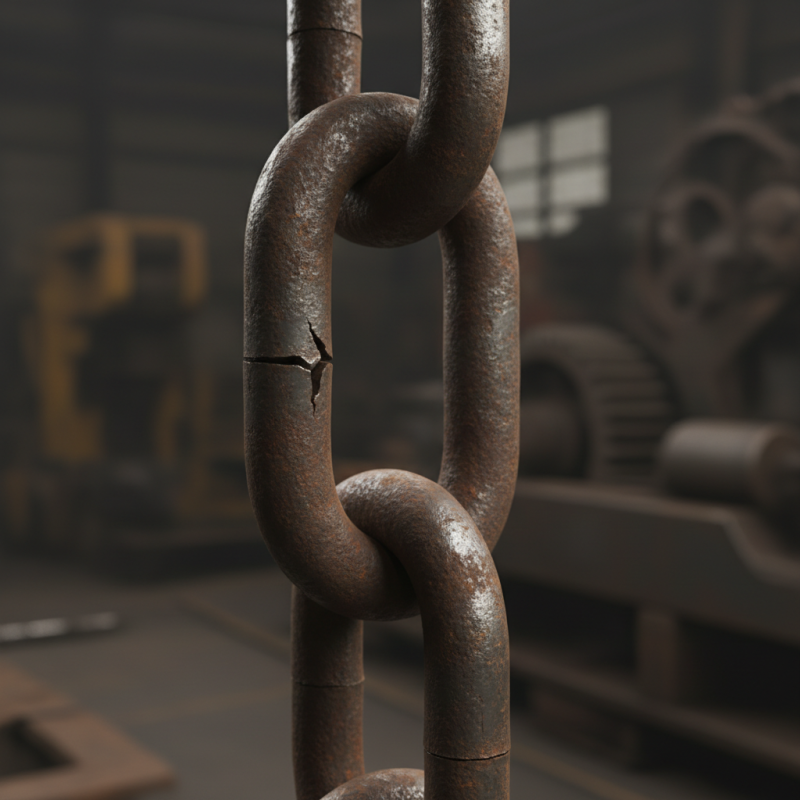
Why You Should Recognize the Signs of Chain Link Fatigue?

Understanding Chain Link Fatigue: Definition and Importance

Chain link fatigue is a critical issue in various industries, especially in construction and manufacturing. Understanding this concept is essential for professionals who deal with chain link systems. Chain link fatigue refers to the gradual wear and tear that occurs over time due to repeated stress and strain. This phenomenon can lead to unexpected failures, resulting in costly downtime and safety hazards.

Recognizing the signs of chain link fatigue can prevent severe accidents. Common signs include visible cracks, unusual noises, and decreased efficiency. Often, these indicators go unnoticed until a larger problem arises. Workers should regularly inspect equipment and keep detailed records to track any changes over time. Ignoring minor issues can exacerbate the problem.

Developing a proactive maintenance plan is crucial. Regular checks can save time and resources in the long run. Inadequate vigilance can lead to serious consequences, affecting not just productivity but also worker safety. Emphasizing the importance of awareness can foster a culture of responsibility. Professionals must stay informed and educated about maintenance techniques. This awareness can drive better decision-making and ultimately lead to safer work environments.

Common Signs of Chain Link Fatigue to Watch For

Recognizing the signs of chain link fatigue is essential for maintaining safety and performance. Common signs include visible wear and tear, which can manifest as rust, fraying, or cracks. These indicators suggest that the chain may not function as intended. Regular inspections can catch these problems early.

One key signal is unusual noise during operation. If you hear grinding or whining sounds, it's worth investigating. This could indicate that the chain is misaligned or damaged. Pay attention to vibrations as well; excessive shaking can be a clear warning sign.

Tips: Maintain a close eye on the chain's lubrication. Proper lubrication reduces friction and extends the chain's lifespan. Consider setting a routine check-up schedule. Early detection often leads to easier and cheaper repairs. Ignoring these signs can result in bigger issues down the line.

The Impact of Chain Link Fatigue on Performance and Safety

Chain link fatigue can pose serious risks in various applications. Physical performance declines gradually when strain accumulates over time. This can lead to malfunctions in equipment or decreased efficiency in operations. Recognizing these signs early helps maintain optimal performance levels.

Safety is another concern. Broken links or weakened chains can cause accidents. In industrial settings, such failures might lead to injuries. Regularly inspecting chain links aids in early detection of fatigue. Taking proactive measures can mitigate risks and promote a safe working environment.

Many may overlook minor signs of wear. Small cracks or discoloration can indicate more significant issues. Employees should be trained to identify these signs. Awareness can save lives and prevent costly damage. Emphasizing regular maintenance can enhance both performance and safety.

Preventative Measures to Combat Chain Link Fatigue

Chain link fatigue is a common issue in various engineering and construction fields. Recognizing the signs early can help prevent more significant problems. Research indicates that failure to address chain link fatigue can lead to costly downtime and unsafe working conditions. Industry reports show that about 25% of machinery failures are linked to fatigue issues. Preventing these failures requires vigilance and proactive measures.

Regular inspections are vital. Engineers recommend checking chain links for wear or deformation every few weeks, depending on usage intensity. Implementing real-time monitoring systems can improve safety. These systems detect fatigue signs early, allowing for timely maintenance. Simple adjustments, like reducing operational loads, can significantly extend chain life.

Employee training is another critical factor. Knowledgeable staff can identify early signs of wear. In fact, organizations that invest in training see a 30% reduction in maintenance costs. Planning for replacements before total failure can prevent accidents. Chain link fatigue is complex, highlighting the need for a strategic approach. Continuous evaluation and adaptive strategies will ensure long-term performance and safety.

Why You Should Recognize the Signs of Chain Link Fatigue? - Preventative Measures to Combat Chain Link Fatigue

Sign of Chain Link Fatigue Description Preventative Measure
Physical Wear Signs of fraying or visible wear on chain links Regular inspections and immediate replacements when wear is detected
Rust and Corrosion Presence of rust spots on metal links Apply rust-preventative coatings and store in a dry environment
Chain Slippage Chain not properly engaging with gears or pulleys Ensure proper chain tension and alignment adjustments
Noisy Operation Unusual sounds during operation indicating potential issues Lubricate chains and check for alignment issues regularly
Excessive Vibration Noticeable vibration during chain operation Regular maintenance to check for balance and tension

Maintenance Practices for Extending the Lifespan of Chain Links

Chain links are vital in various industrial applications, yet they often face wear and tear. Recognizing signs of chain link fatigue is crucial. Regular maintenance practices can significantly extend their lifespan. According to industry research, poor maintenance can reduce the lifespan of chain links by up to 50%. Most operators, however, overlook routine checks, leading to increased operating costs.

Inspection is key. Look for signs of elongation, rust, or abnormal noise. A study indicates that regular lubrication can enhance the durability of chain links by 30%. Implementing a systematic lubrication schedule can prevent damaging friction. Proper tensioning is also important. Incorrectly tensioned chains can lead to uneven wear and earlier failure. Ensuring the right tension minimizes stress on the links.

Cleaning is another essential practice. Contaminants can accelerate wear, leading to chain failures. Two reports highlight that clean chain links operate more efficiently, improving overall productivity. Operators often underestimate the impact of debris accumulation. Inconsistent maintenance approaches lead to unforeseen breakdowns. Balancing frequency and thoroughness in maintenance is an ongoing challenge for many.

FAQS

: What are common signs of chain link fatigue?

: Signs include visible wear, rust, fraying, cracks, or noise during operation.

How can unusual noises indicate chain issues?

Grinding or whining sounds might signal misalignment or damage to the chain.

Why is lubrication important for chain links?

Proper lubrication reduces friction and extends the lifespan of the chain significantly.

How often should chain links be inspected?

It's advisable to check every few weeks, depending on how frequently they are used.

What risks does chain link fatigue present?

Broken links can cause equipment malfunctions, injuries, or costly downtime in operations.

How can employee training help with chain maintenance?

Knowledgeable staff can identify wear signs early. This prevents costly repairs and enhances safety.

What preventative measures can prolong chain life?

Reduce operational loads and implement real-time monitoring systems for timely maintenance.

Why might small signs of wear be overlooked?

Minor issues like cracks can be dismissed, leading to larger, more dangerous problems later.

How do proactive measures affect maintenance costs?

Organizations that invest in training see a 30% reduction in maintenance costs overall.

What is the importance of a strategic approach to chain maintenance?

Continuous evaluation and adaptive strategies ensure long-term safety and performance.

Conclusion

Chain link fatigue refers to the gradual weakening of chain links due to repeated stress and environmental factors. It is crucial to recognize chain link fatigue early, as it can significantly affect performance and safety. Key signs of chain link fatigue include visible wear, unusual noises during operation, and changes in tension or alignment.

To combat chain link fatigue, it is essential to implement preventative measures such as regular inspections and maintenance practices. By being proactive, you can extend the lifespan of your chain links and maintain optimal performance. Awareness of "what are the signs of chain link fatigue" allows individuals and organizations to take timely actions, reducing the risk of failures and ensuring safety in operations.

Henry

Henry

Henry is a dedicated marketing professional with a profound expertise in the company's offerings. With years of experience in the industry, he possesses an impressive understanding of the market dynamics and consumer behaviors that drive success. Henry is committed to sharing his insights through......