In the world of heavy lifting, choosing the right equipment is crucial for safety and efficiency. Many wonder, "Why use a spreader beam vs a lifting beam?" Understanding these two tools can significantly impact load handling. Each has unique advantages that cater to different scenarios.
Spreader beams distribute the load evenly, reducing stress on the material being lifted. They improve stability and minimize the risk of swinging. This feature is essential for safety in busy work environments. On the other hand, lifting beams might provide a simpler solution for specific tasks, but they often come with limitations.
Professionals in the lifting industry emphasize the need for careful consideration before making a decision. Reflecting on the intended application can lead to better safety outcomes. Making informed choices is vital for preventing accidents and ensuring efficiency.
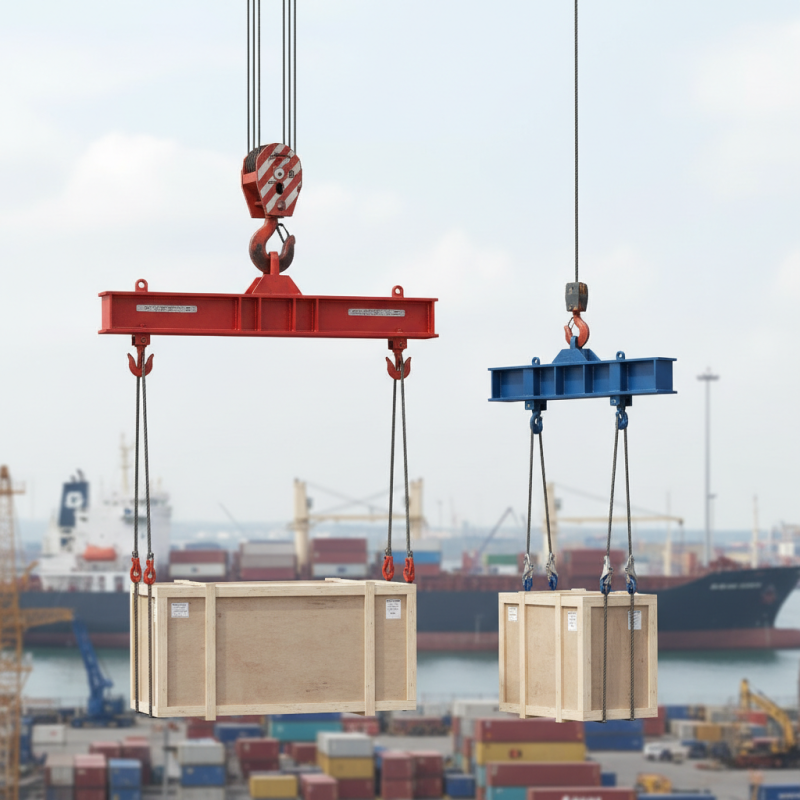
In lifting operations, safety is paramount. Choosing a
spreader beam can significantly enhance lifting effectiveness.
A spreader beam distributes the load evenly across its length. This balanced load reduces the risk of tipping
or swaying. As a result, it improves overall stability during lifting.
Using a spreader beam also allows for a wider range of lifting angles. This flexibility can be crucial on
job sites with limited space or specific orientation requirements. Additionally, the beam’s design often
minimizes stress on the lifting equipment, leading to reduced wear and tear over time, aligning with
long-term safety practices.
Tip: Regularly inspect your spreader beam for any
wear or damage. A damaged beam can compromise safety.
Remember, while spreader beams have many advantages, they are not foolproof. Proper training is essential
for operators. Understanding how to use the equipment effectively maximizes safety and efficiency during
operations.
Tip: Always consult the manufacturer's guidelines for
load capacities. Overloading a spreader beam can lead
to serious accidents.
When selecting lifting equipment, understanding the differences between
spreader beams and
lifting beams is crucial.
Spreader beams are designed to distribute load weight evenly across multiple lifting points.
This distribution minimizes stress on the load and enhances stability during lifting.
A spreader beam can typically handle larger and more unwieldy loads without compromising safety.
In contrast, lifting beams support loads at a single point.
While they can be effective for specific applications, they do not offer the same level of load control.
If the load shifts unexpectedly, it can lead to accidents.
Lifting beams may also place uneven stress on the load, posing a risk of damage.
Choosing between these two options depends on your load type and lifting scenario.
Spreader beams provide superior balance and safety for heavier loads.
However, they may require extra rigging considerations, making setup more complex.
It is essential to evaluate your project's unique demands and assess the risks associated with each option.
This thoughtful consideration is key to ensuring safe and secure lifting operations.
In the realm of heavy lifting, selecting the right equipment is crucial for safety. Spreader beams are designed to distribute loads over a wider area, reducing stress on rigging. This load distribution minimizes the risk of bending or breaking under heavy weights. According to industry reports, improper load distribution can lead to structural failures in lifting equipment, causing accidents. Utilizing spreader beams can reduce these risks significantly.
Spreader beams often include safety features that enhance their reliability. For instance, many models come with overload protection, which prevents lifting beyond safe limits. A study by the American Society of Civil Engineers highlights that equipment with integrated safety features can reduce workplace accidents by up to 30%. This statistic underscores the importance of safety in equipment selection, which often gets overlooked in favor of cost.
Despite their advantages, spreader beams are not without flaws. Some operators may underestimate the need for regular inspections. An infrequent check can lead to undetected wear and tear. This oversight poses real risks during operation. Awareness of these shortcomings is vital for ensuring a safe lifting environment.
When considering the safety of lifting heavy loads, the choice between a spreader beam and a lifting beam is crucial. A spreader beam typically distributes weight more evenly. This design reduces the risk of tipping or swaying during lifting. It is ideal for lifting wide or awkwardly shaped loads. On the other hand, lifting beams often provide more versatility for various rigging configurations. They can be used effectively in tight spaces.
One factor to consider is the load's weight distribution. If the load is uneven, a spreader beam is preferable to maintain balance. It's important to assess the environment and space available for maneuvering. A spreader beam can require more room than a lifting beam. It's advisable to analyze the rigging points carefully. Check the load rating before making a selection.
Tips: Always inspect equipment for wear and tear. A visual check can help identify potential issues. Consult safety guidelines for specific weight and load requirements. Keep in mind that improper use of either beam can lead to accidents. Regular training for operators is vital. Being informed about load dynamics and beam specifications can enhance safety.
Spreader beams offer distinct advantages in ensuring safety during lifting operations. When using a spreader beam, the weight of the load is distributed evenly. This reduces the risk of potential accidents due to uneven weight distribution. The design of a spreader beam allows it to handle larger loads safely. It provides stability, especially in environments with limited space.
In workplaces, following best practices is vital for efficiency and safety. Always inspect the spreader beam for any signs of wear or damage before use. Proper training for operators is necessary to understand its functionality. Workers should know how to secure loads effectively to avoid slips or shifts during lifting.
Clear communication among team members during operations can prevent misunderstandings that might lead to accidents.
Despite their benefits, users sometimes overlook safety protocols. It’s critical to have a clear plan for every lift. If protocols are skipped, the risk increases. Regular audits of lifting practices can help identify gaps in safety measures. A conscious effort to improve training and awareness can foster a safer workplace environment.
: A spreader beam distributes load weight evenly, enhancing stability and safety during lifting.
Lifting beams support loads at a single point, which can lead to uneven stress and increased risk of accidents.
Spreader beams are ideal for larger, unwieldy loads as they provide better balance and safety during lifting.
Many spreader beams include overload protection, reducing the risk of exceeding safe lifting limits.
Regular inspections are essential; neglecting checks can lead to undetected wear, increasing operational risks.
Uneven load distribution necessitates a spreader beam for maintaining balance during lifts.
Yes, lifting beams offer more versatility for various rigging configurations in confined areas.
Operators may underestimate the potential for load shifts, leading to accidents without proper control.
Regular training helps operators understand load dynamics and beam specifications, enhancing operational safety.
A simple visual inspection can reveal signs of wear and potential problems before operations begin.
When considering lifting operations, the question often arises: "Why use a spreader beam vs a lifting beam?" Spreader beams offer several advantages, particularly in terms of load distribution and stability. Their design allows for a wider lift, reducing the risk of load swing and improving safety during heavy lifting tasks. Additionally, spreader beams can accommodate various load shapes and sizes, making them versatile tools in various industrial settings.
In contrast, while lifting beams serve specific purposes, they may not provide the same level of safety and stability as spreader beams. When choosing between the two, factors such as load weight, lifting environment, and operational safety features must be evaluated. By following best practices for utilizing spreader beams, organizations can enhance safety and efficiency in their lifting operations, ensuring a more secure handling of materials.

Glinder lift