When it comes to rigging and lifting equipment, polyester slings are popular for their strength and flexibility. However, prolonged exposure to UV rays can seriously weaken these slings. This brings us to the crucial question: How to store polyester slings to prevent UV damage? Failure to store them properly can lead to costly replacements and safety hazards.
The right storage practices can significantly extend the lifespan of polyester slings. Keeping them in a cool, dark environment helps protect them from the sun’s harmful rays. Additionally, using storage bags can shield them from dust and moisture. It is important to regularly inspect slings for any signs of wear or UV degradation. The small details often make a big difference in maintaining safety standards.
Avoid overlooking the fact that neglecting proper storage may lead to unexpected failures while in use. It’s not just about neatness; it’s about ensuring safety and reliability. Consider these top tips as crucial guidelines. They are born from experience in the field. Your polyester slings deserve the best care to ensure they perform effectively and safely.
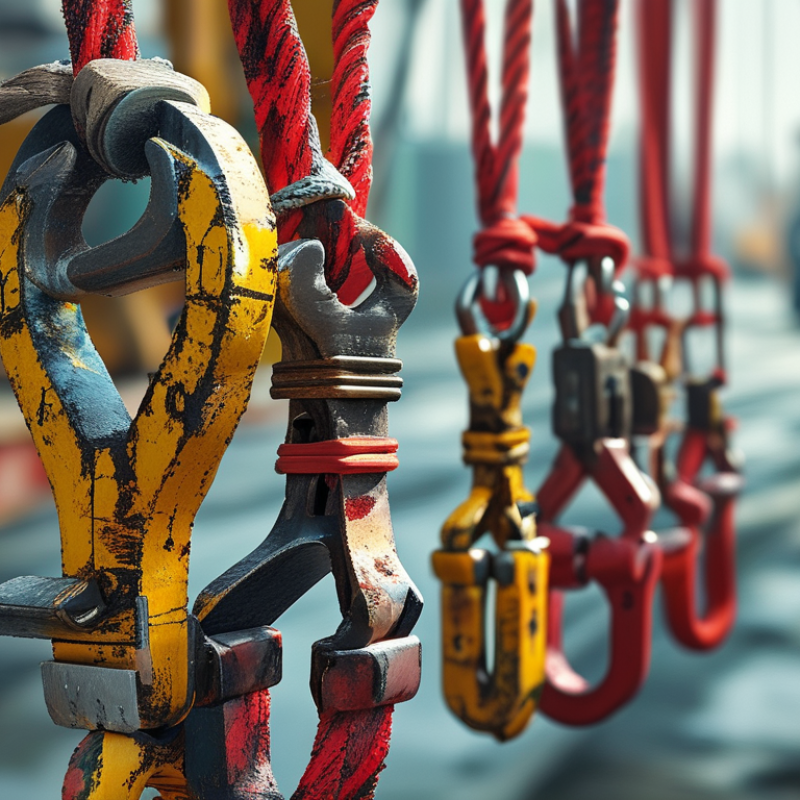
UV damage can significantly affect polyester slings, reducing their durability and strength. Polyester fibers are sensitive to ultraviolet rays. Extended exposure can lead to fading, brittleness, and even structural failure. Understanding these effects is crucial for anyone using polyester slings in outdoor environments.
To protect polyester slings from UV damage, consider routine inspections and proper storage methods. Slings should be stored in a cool, dark place away from direct sunlight. Using protective covers can also help shield them from harmful rays. Even small sunlight exposure can accumulate over time, leading to unexpected wear.
It is essential to recognize that ignoring UV damage can lead to accidents. Proper education on this topic is vital for users and suppliers alike. Training sessions or guides on storage and care practices can provide valuable insights. Make a habit of checking slings regularly to ensure safety and longevity. The consequences of neglecting these factors might be serious.
When choosing the right storage environment for polyester slings, consider the impact of UV exposure. Research indicates that prolonged sunlight can degrade polyester fibers, leading to weakened strength and integrity. A study by the Occupational Safety and Health Administration (OSHA) highlights that UV rays significantly contribute to fabric deterioration, making careful storage crucial.
Opt for a cool, dry location for your slings. High temperatures and humidity can accelerate degradation. An environment with temperatures maintained below 70°F is ideal. Make sure to use UV-resistant covers if storage in places with direct sunlight is unavoidable. Storing slings in dark, enclosed spaces also helps minimize UV damage.
Regularly inspect stored slings for signs of wear or degradation. Even minor damage can affect their performance. Aim to rotate your inventory to ensure older slings are used first. This practice, combined with proper storage techniques, can enhance the longevity of your polyester equipment. Remember, maintaining the integrity of your slings requires diligence and proactive measures.
When it comes to protecting polyester slings from UV damage, thoughtful covering techniques are essential. Using UV-resistant covers made from quality materials can extend the life of your slings. These covers should fit snugly without causing strain. They act as a shield against harmful rays, reducing exposure significantly.
Another method involves storing slings in a shaded area when not in use. Find a location that provides natural cover. This could be under awnings or large trees. If possible, consider creating a dedicated storage area with UV-blocking panels. Rotating stocks of slings also helps; by using each one, you can minimize wear and prolong their overall lifespan.
While covering slings is crucial, ensuring proper cleaning is equally important. Dust and dirt can wear down protective coatings over time. A gentle wash with warm water can keep them in good condition. Neglecting this can result in unforeseen damage. You might also need to periodically check for wear and tear. Look for signs of fading or fraying. Addressing these issues early can save costs later.
Regular maintenance of polyester slings is essential for maximizing their lifespan. Regularly inspect slings for any signs of wear or damage. Check for fraying or discoloration, which can indicate UV damage. Even small issues can lead to bigger problems later. Make it a habit to clean the slings after use. Debris can cause degradation over time.
When storing slings, keep them in a cool, dry place. Avoid places exposed to direct sunlight. Using a UV-protective cover can offer an extra layer of defense. Regularly rotating the slings during storage can help ensure even wear. Also, be mindful of how the slings are stacked. Overly tight stacking can create pressure points, leading to unexpected wear.
Incorporate a routine check every few months. This can involve a simple visual inspection, noting any changes. Documenting these observations can be beneficial. While routine maintenance is essential, it’s possible to overlook small details. Each check offers a chance to reassess and improve your storage practices. Even minor adjustments can significantly enhance sling longevity.
When using polyester slings, recognizing signs of UV damage is crucial. Over time, exposure to sunlight can weaken these materials. Look for discoloration; a faded color indicates that UV rays have started to break down the fibers. Also, inspect the texture. A rough or brittle surface is a strong indication of deterioration.
Another sign of damage is loss of strength. If the sling feels softer than usual or has visible fraying, it may not support its rated load any longer. Pay attention to any holes or tears. These small defects can compromise the sling’s integrity significantly. Finally, if your polyester sling has reached the end of its lifespan, it’s time to replace it.
Keeping these indicators in mind ensures safety and reliability. Regular inspections are vital. Don’t wait until a sling is clearly damaged. Proactive checks can save resources and prevent accidents. Slings are essential tools, and maintaining them should be a priority.
: UV damage can weaken polyester slings, causing fading, brittleness, and structural failure over time.
Store slings in a cool, dark place and use protective covers to shield them from sunlight.
Regular inspections help identify signs of wear or damage early, preventing serious accidents later.
Keep slings stored in an environment below 70°F to minimize degradation from heat and humidity.
Yes, even minor wear can lead to bigger issues, so regular checks are necessary for safety.
Regular cleaning, storing away from sunlight, and rotating slings improve their longevity and effectiveness.
Avoid tight stacking to prevent pressure points. This practice can cause unexpected wear over time.
A routine check every few months is recommended, with documentation to track any changes.
Ignoring UV damage can result in accidents due to weakened sling integrity, highlighting the need for awareness.
It’s easy to overlook small details during checks. Always take time to reassess your storage and maintenance practices.
When considering how to store polyester slings to prevent UV damage, it's essential to understand the harmful effects of ultraviolet rays on these materials. UV exposure can significantly weaken slings, leading to reduced performance and potential safety hazards. To protect your polyester slings, create an optimal storage environment: choose a cool, dry place away from direct sunlight. Utilizing effective covering techniques, such as UV-resistant tarps or bags, can further shield slings from harmful rays.
Regular maintenance practices are crucial for enhancing the longevity of polyester slings. This includes routine inspections for signs of UV damage, such as fading, brittleness, or fraying. Recognizing these indicators in a timely manner ensures that slings are replaced before they become compromised, thereby maintaining safety and effectiveness. Following these steps will ensure your polyester slings remain in good condition for longer, safeguarding them against UV-related degradation.
Glinder lift