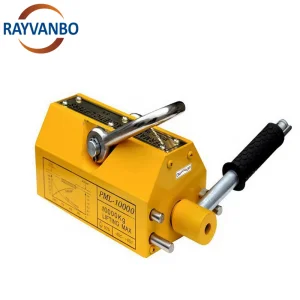
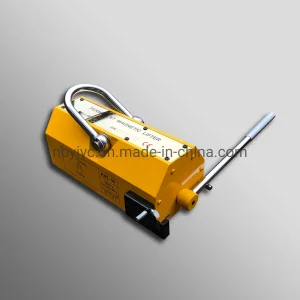
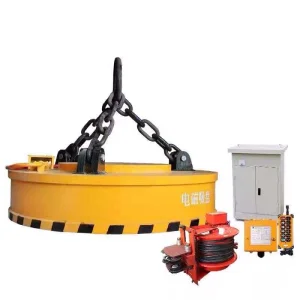
High-durability magnetic lifters configured for copper, cobalt, and heavy iron ore transport yards.
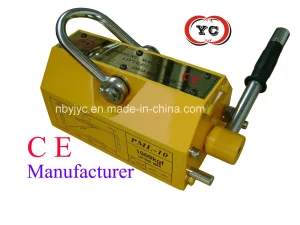
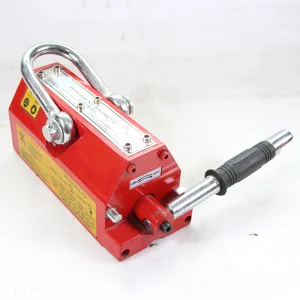
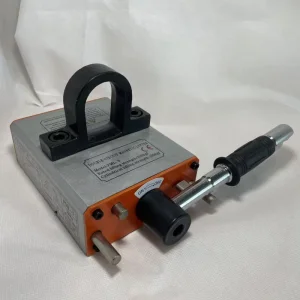
How robust magnetic lifting addresses critical safety, efficiency, and infrastructural challenges in sub-Saharan mineral processing corridors.
The Democratic Republic of Congo (DRC) is currently positioned as one of the world's most vital geographic sectors for industrial development, driven by the global transition to clean energy. With the copper-cobalt belt of Katanga and Lualaba provinces accounting for over 70% of the world's cobalt supply and vast reserves of copper, gold, and tin, mining infrastructures are under relentless pressure to optimize output. At the heart of these massive processing lines, mechanical extraction operations, and logistics hubs is the critical requirement for safe, efficient, and heavy-duty steel and component handling.
Whether managing heavy alloy wear-plates for cone crushers, lifting structural steel pipes during mineral beneficiation plant assemblies, or loading high-volume ferrous scraps for recycling in Kinshasa and Likasi, traditional lifting chains and slings can compromise process safety and labor efficiency. Industrial permanent magnetic lifters (PML) have emerged as the standard alternative, reducing mechanical contact, accelerating load cycles, and dramatically decreasing handling accidents in high-vibration mining landscapes.
Chongqing Glinder Lift Co., Ltd. serves the DRC market with heavy-duty lifting equipment designed to thrive in extreme sub-Saharan conditions—marked by red dust, high ambient humidity, and thermal variations. By combining rare-earth Neodymium (NdFeB) magnets with robust steel housings and locking mechanisms, we prevent load slippage even during unexpected power disruptions. This represents the ultimate safety guarantee required by international mining conglomerates operating in locations such as Tenke Fungurume, Kolwezi, and Lubumbashi.
An analysis of air gaps, safety factors, and load thickness parameters for heavy metal handling in DRC mining operations.
Understanding the physics of magnetic lifting is crucial for procurement officers and engineering leads. A magnetic lifter's performance is governed by three critical parameters: material thickness, air-gap distance (rust, paint, scale, and dust), and the chemical composition of the steel load. A failure to compute these values in mining plants leads to dangerous drop scenarios or under-utilization of crane assets.
| Lifting Model Spec | Rated Capacity (Flat Steel) | Cylindrical Steel Capacity | Minimum Thickness (Full Output) | Standard Safety Factor | Magnetic Grade Used |
|---|---|---|---|---|---|
| PML-100 | 100 kg | 50 kg | 15 mm | 3.0x / 3.5x | Neodymium N45 |
| PML-300 / Dual | 300 kg | 150 kg | 20 mm | 3.0x | Neodymium N45 / N48 |
| PML-600 | 600 kg | 300 kg | 30 mm | 3.0x | Neodymium N50 |
| PML-1000 | 1,000 kg | 500 kg | 40 mm | 3.0x | Neodymium N50 |
| PML-2000 (2 Ton) | 2,000 kg | 1,000 kg | 60 mm | 3.0x | Neodymium N52 |
| PML-10000 (10 Ton) | 10,000 kg | 5,000 kg | 120 mm | 2.5x / 3.0x | Rare-Earth Permanent |
1. The Air Gap Impact: In raw mining yards (like those in Likasi), iron plates and machinery parts are often covered with thick coatings of oxidation (rust), coal residues, or industrial paint. The magnetic flux lines meet resistance in these non-magnetic barriers. An air gap of just 0.5 mm can drop the lifter's capacity by up to 50%. Our PML lifters utilize optimized magnetic loop geometry to maintain high residual holding power even through minor scale layers.
2. Core Neodymium Heat Thresholds: Neodymium magnets can demagnetize if exposed to temperatures above their rating. For smelting units and foundries in Lubumbashi, we construct customized high-temperature magnetic blocks (incorporating Dy-containing NdFeB grades) to prevent thermal degradation of magnetism at temperatures up to 150°C.
Over 15 Years of Excellence in Heavy Lifting and Material Handling Systems.
Chongqing Glinder Lift Co., Ltd. is a professional manufacturer and global supplier specializing in lifting equipment, material handling solutions, and rigging hardware. With over 15 years of industry experience, the company is dedicated to the design, manufacturing, and distribution of a wide range of high-quality lifting products and elevator components.
Our main product portfolio includes manual hoists, electric hoists, steel wire ropes, polyester slings, chains and chain components, as well as elevator systems and spare parts. These products are widely used across industries such as construction, logistics, manufacturing, mining, and infrastructure development.
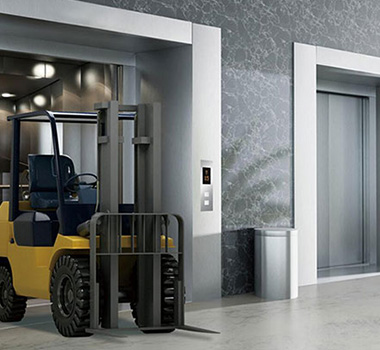
Chongqing Glinder Lift operates advanced production facilities equipped with high-precision machinery, including punching machines, bending machines, shearing machines, laser cutting systems, and heavy-duty welding equipment ranging from 50 tons to 2000 tons capacity.
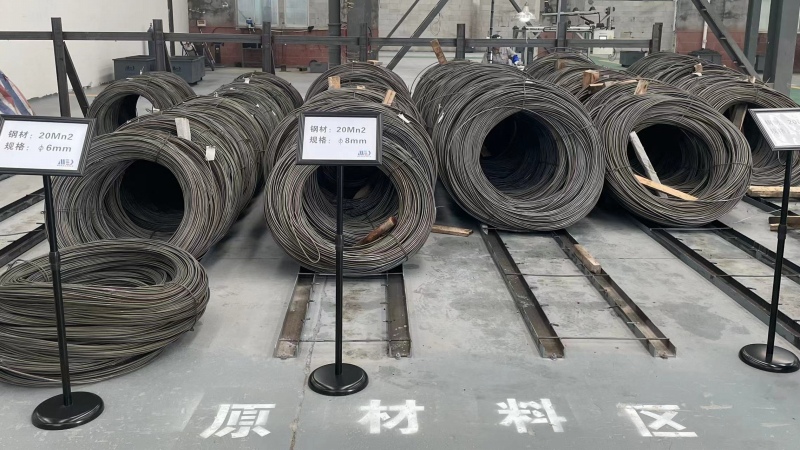
Our strong manufacturing capabilities enable us to produce a full range of lifting equipment with high precision and consistency. We also offer customized production services to meet specific customer requirements, supporting both standard and personalized solutions. Below is our visual workflow showing how we process materials to the highest safety specifications:
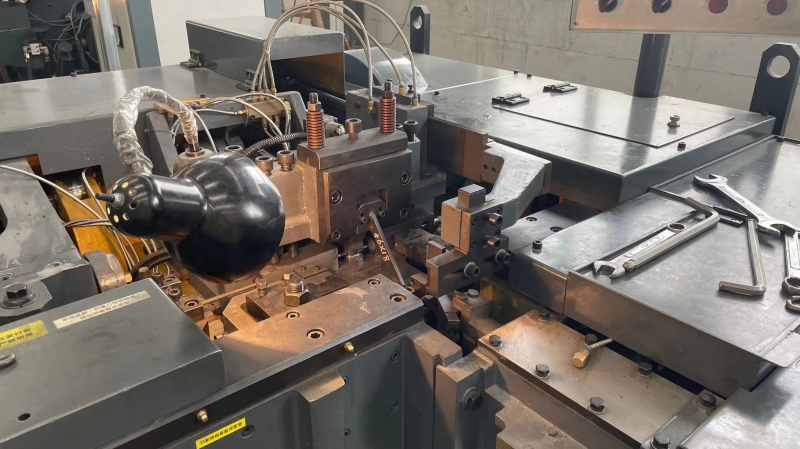
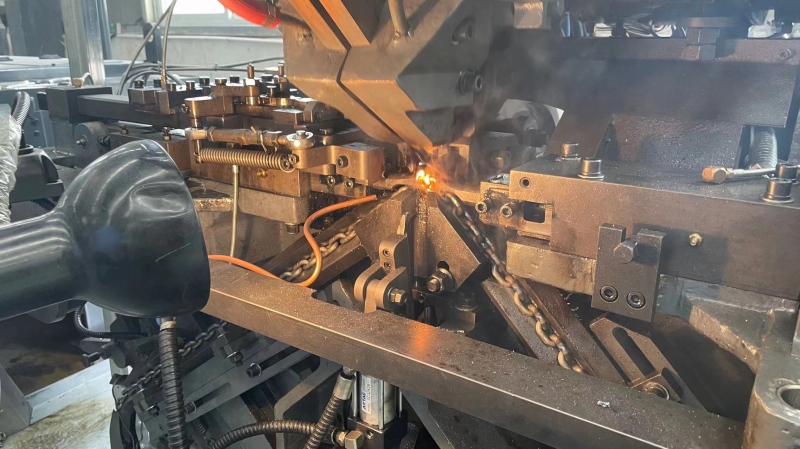
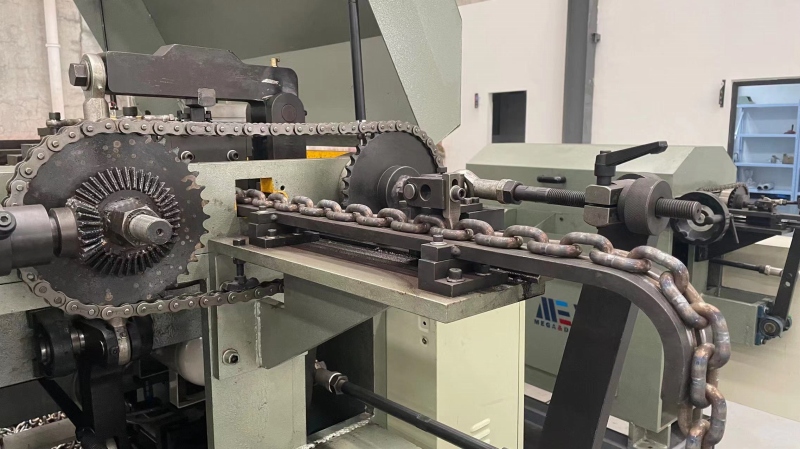
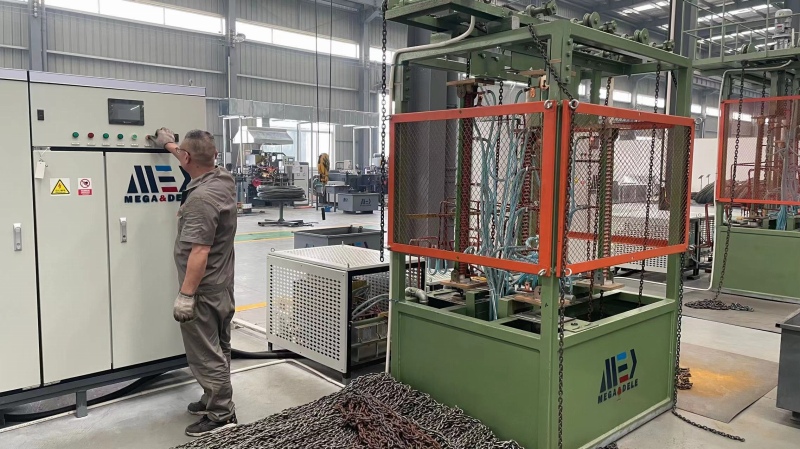
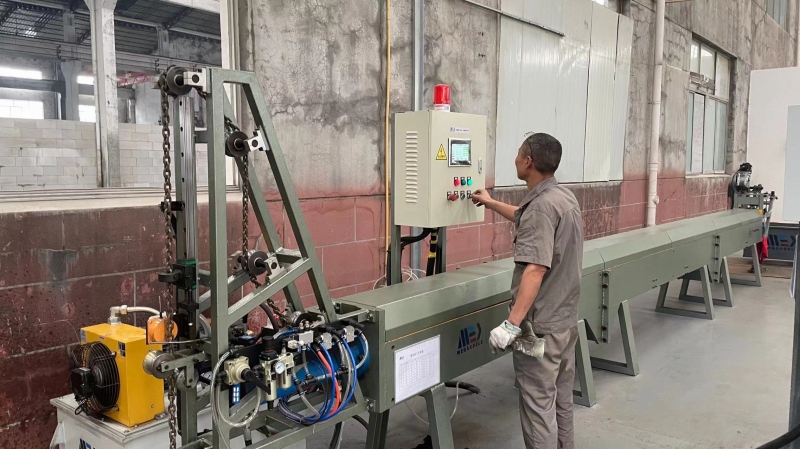
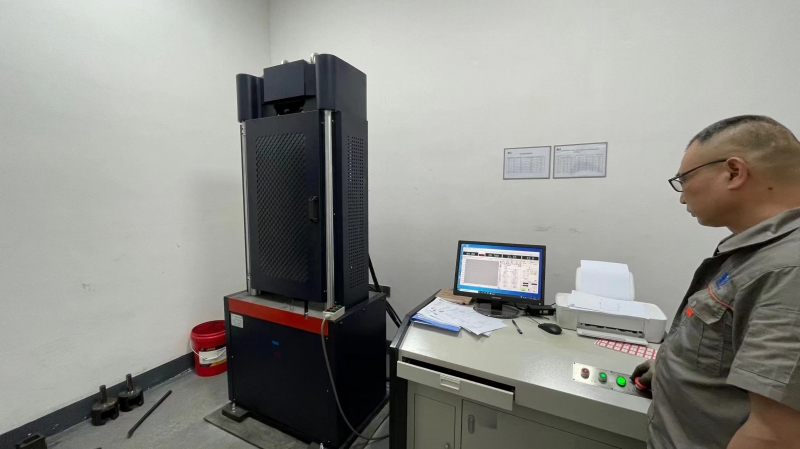
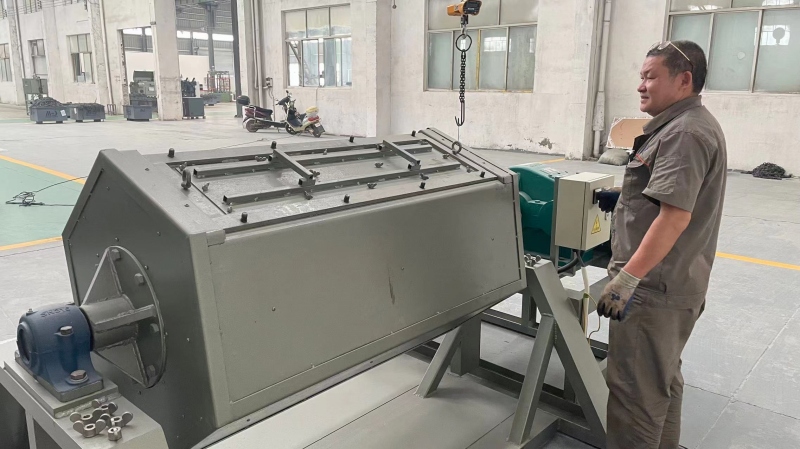
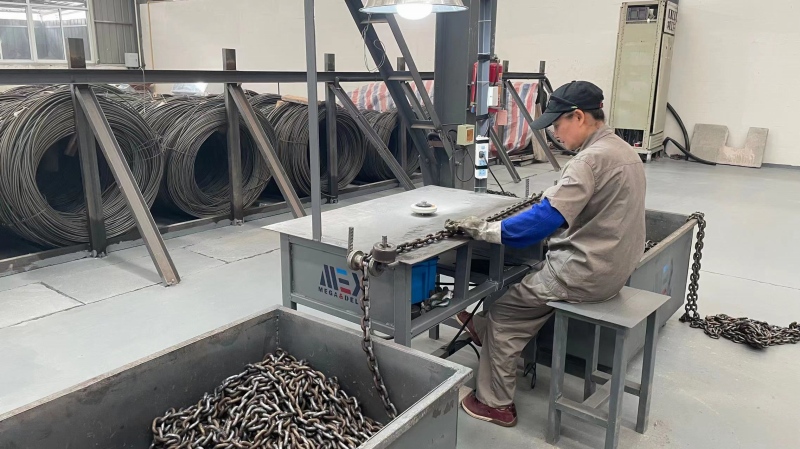
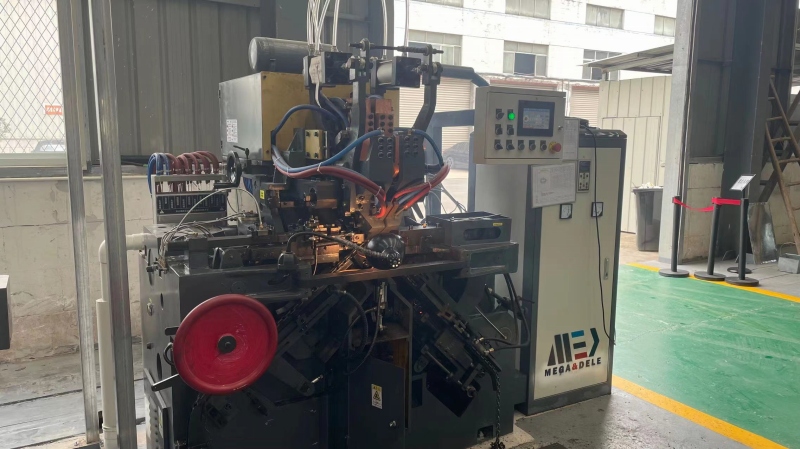
Precision Automatic Chain Welding Equipment at our specialized factory node.
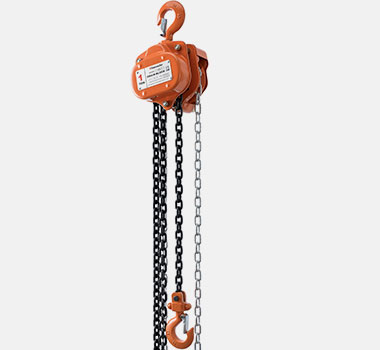
Our Globally Exported Manual Chain Blocks Configured for Complex Mining Installation Shafts.
Streamlined transport solutions delivering industrial magnets directly to Lubumbashi, Likasi, Kolwezi, and Kinshasa.
Exporting industrial lifting hardware to the Democratic Republic of Congo requires specialized knowledge of trade corridors and regulatory compliance. To assist our African clients, Chongqing Glinder Lift coordinates with international freight forwarders specialized in sub-Saharan routes.
Logistical Channels: For mining operators in Lualaba and Katanga provinces, we utilize the Southern African Transit Corridors. Sea freight is shipped from Chinese ports to Durban (South Africa), Dar es Salaam (Tanzania), or Beira (Mozambique). From these deepwater hubs, goods are routed via heavy overland truck fleets crossing the Zambian border at Kasumbalesa directly into Lubumbashi and Kolwezi. For Western DRC clients, sea freight goes directly to the seaport of Boma or Matadi, connecting to Kinshasa.
Compliance & Documentation: We supply all documentation required for smooth customs clearance, including:
This attention to shipping detail minimizes demurrages at African borders, ensuring your operations receive magnetic lifting gear on schedule.
Heavy-duty Neodymium lifting magnets with a 3x safety factor for mining, structural engineering, and steel recycling.
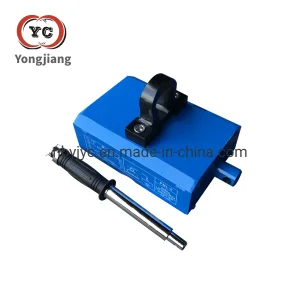
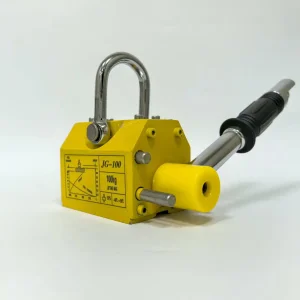
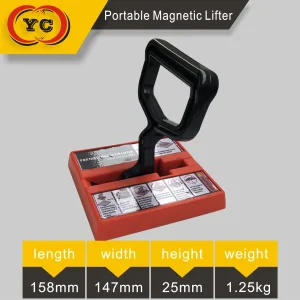
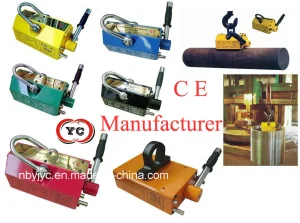
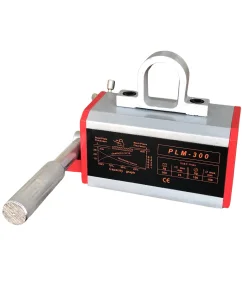
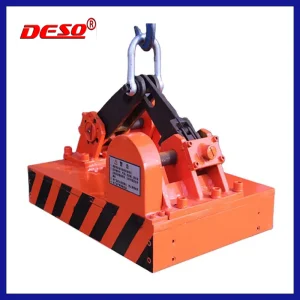
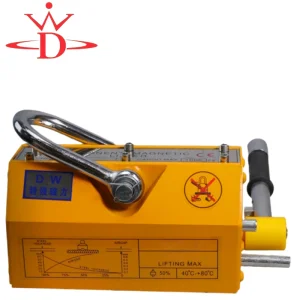
Advanced magnetic systems engineered for automatic sorting and high-load rigging yards.
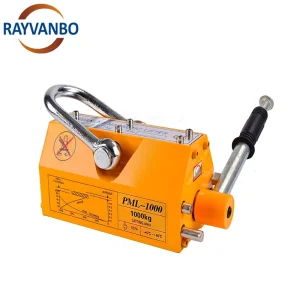
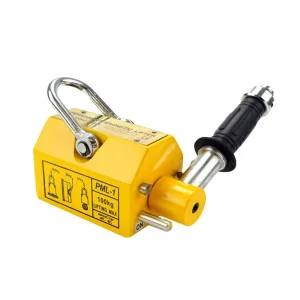
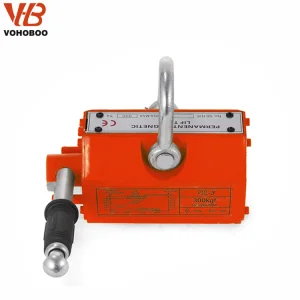
The shift toward automated sensor-integrated magnetic handling and sustainable operations.
As mines across the DRC undergo digital transformations and implement semi-automated extraction chains, the demands placed on material handling are changing. Standard manual lever magnets are increasingly complemented by automated systems that interface directly with control rooms.
1. Electro-Permanent Magnet (EPM) Control Systems: Unlike standard electromagnets that draw continuous current, EPM systems use electricity only for activation and deactivation cycles. During the lift, they rely on permanent magnetism. This ensures that even in the event of a sudden power outage—a common challenge in remote regions of the DRC—the load remains securely held.
2. Smart Force Sensors: Future magnetic lifters will incorporate integrated sensors linked to telemetry modules. These sensors measure the magnetic flux density and compare it with the load weight to determine the actual safety margins in real time, alerting crane operators via wireless receiver interfaces if safety limits are compromised.
Expert technical answers regarding structural lifting, safety compliance, and operations in mining regions.
 Glinder lift