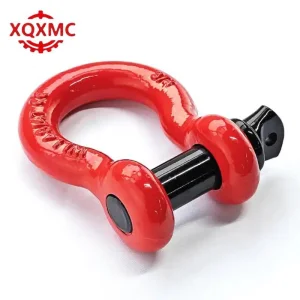
Specially engineered to withstand tropical saltwater corrosion, high tidal forces, and severe marine weathering.
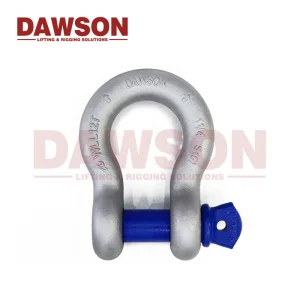
The Republic of Kiribati, comprising 33 low-lying coral atolls and islands dispersed across 3.5 million square kilometers of the central Pacific Ocean, relies entirely on robust maritime operations. In regions like South Tarawa (specifically Betio Port) and Kiritimati Island, maritime infrastructure acts as a crucial life support system. Heavy-duty lifting, mooring, and cargo logistics are subjected to extreme tropical sea environments characterized by maximum relative humidity, high salinity levels, and strong ultraviolet rays. Consequently, standard industrial rigging hardware quickly succumbs to rapid oxidation and catastrophic failure.
As critical safety mechanisms, shackles (D-shackles, anchor bow shackles, and safety pin variations) are required to secure high-value cargo, anchor deep-sea fishing fleets, and stabilize inter-island transport vessels. In Kiribati, standard hot-dip galvanized coating processes must exceed typical land-based specifications. Structural engineering projects, coastal defense initiatives, and public utility upgrades require certified rigging equipment that meets American (ASME), European (CE), and international ISO standards to prevent structural compromises under dynamic load cycles.
Chongqing Glinder Lift Co., Ltd. addresses this specific geographic and climatic challenge. By employing high-grade raw alloys, state-of-the-art quenching techniques, and industry-leading hot-dip galvanization (thick zinc-iron alloy protection exceeding 85 microns), our hardware provides an exceptional service life under the harsh saline and climatic conditions of the Pacific.
Forged from carbon and alloy steels to handle deep-water fishing fleets and high-capacity marine cargo operations in Tarawa.
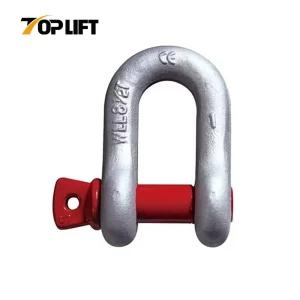
Every shackle manufactured by Chongqing Glinder Lift conforms to rigorous load-bearing safety parameters. The Working Load Limit (WLL) indicates the maximum load the shackle is designed to support in a vertical orientation. In contrast, the Minimum Breaking Load (MBL) represents the force at which the shackle undergoes complete structural failure. For standard carbon shackles, we enforce a strict 4:1 design factor, while our high-tensile alloy steel bow and dee shackles are manufactured to meet a 5:1 or 6:1 safety ratio, complying directly with ASME B30.26 and RR-C-271 federal specifications.
Under heavy sea swells, boats moored at Betio Port subject shackles to continuous tri-axial load variations. By applying precision drop forging techniques, we align the internal grain structures of the steel, ensuring that structural loads are distributed evenly throughout the bow and pin body, eliminating weak points and minimizing fatigue.
For deep marine deployments, choosing the correct material finish is crucial. Our AISI 316 Stainless Steel D-shackles contain 2-3% Molybdenum, providing exceptional resistance to localized pitting and crevice corrosion under low-oxygen, high-temperature conditions. This makes them ideal for underwater instruments, marine research arrays, and diving lines off the Phoenix Islands.
For heavy industrial and load-bearing dock operations, Hot-Dip Galvanization (HDG) is highly recommended. The HDG process forms an alloy layer that bonds chemically to the base steel. If the outer layer is scratched, the surrounding zinc acts as a sacrificial anode, shielding the underlying steel from galvanic oxidation. This protection is vital for anchor setups and inter-island transport vessels operating in Tarawa and throughout the Gilbert Islands.
A global leader in high-performance lifting equipment, material handling solutions, and marine rigging systems.
Chongqing Glinder Lift Co., Ltd. is a professional manufacturer and global supplier specializing in lifting equipment, material handling solutions, and rigging hardware. With over 15 years of industry experience, the company is dedicated to the design, manufacturing, and distribution of a wide range of high-quality lifting products and elevator components. Our main product portfolio includes manual hoists, electric hoists, steel wire ropes, polyester slings, chains and chain components, as well as elevator systems and spare parts. These products are widely used across industries such as construction, logistics, manufacturing, mining, and infrastructure development.
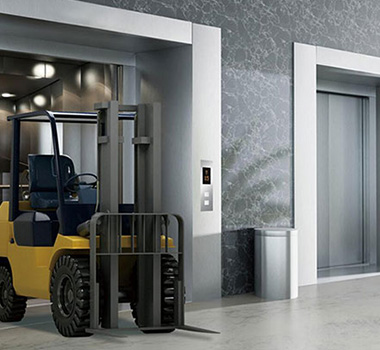
Over the years, Chongqing Glinder Lift has expanded its manufacturing capacity through strategic investments and partnerships, forming a group of specialized factories dedicated to lifting equipment and material handling products. This integrated manufacturing network enables us to maintain strict quality control while offering competitive pricing.
With a strong commitment to quality and service, our products have been exported to more than 50 countries across Asia, Europe, the Middle East, North and South America, and Africa. We have built long-term partnerships with clients worldwide by delivering reliable products and responsive service. All our manufacturing facilities are ISO-certified, and most products comply with international standards such as CE and GS certifications. By combining advanced production equipment with strict quality assurance systems, we ensure every product is safe, durable, and reliable.
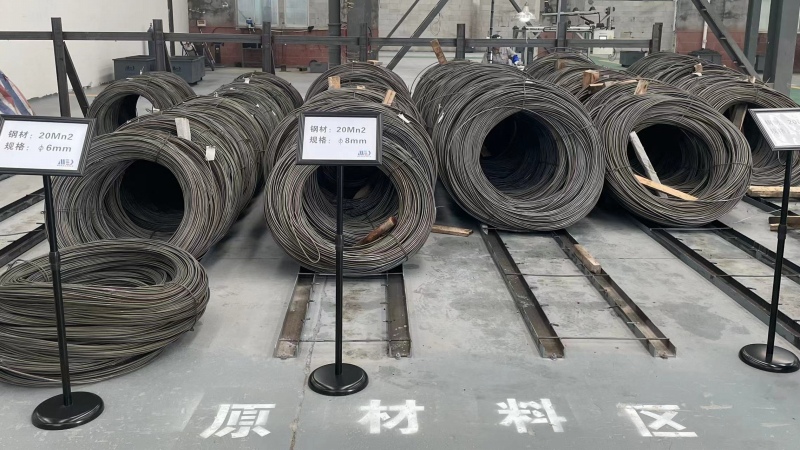
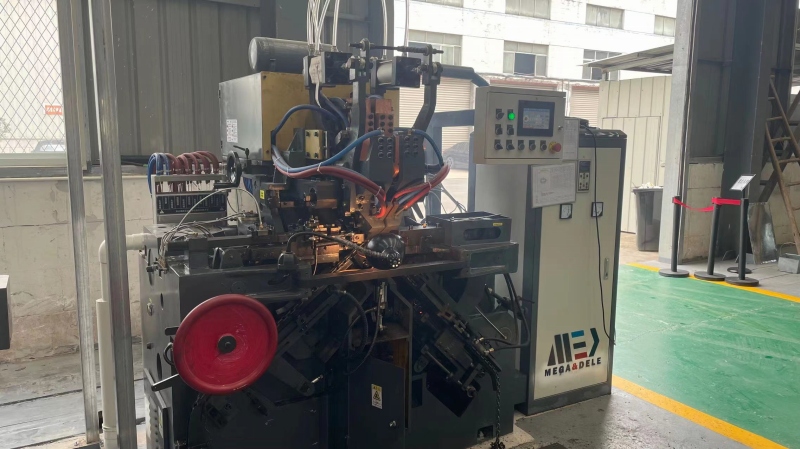
Integrating professional design concepts and quality certifications to protect your logistics and maritime operations.
We incorporate German and Japanese safety standards to enhance the dynamic safety margins of our shackles, protecting lives and equipment in challenging Pacific waters.
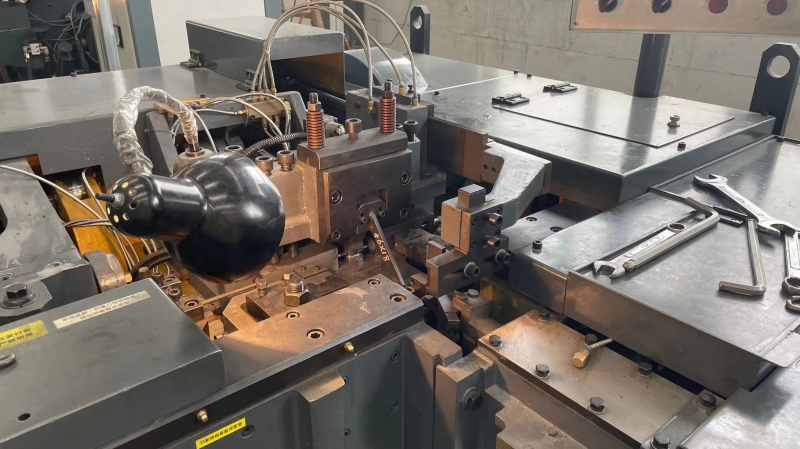
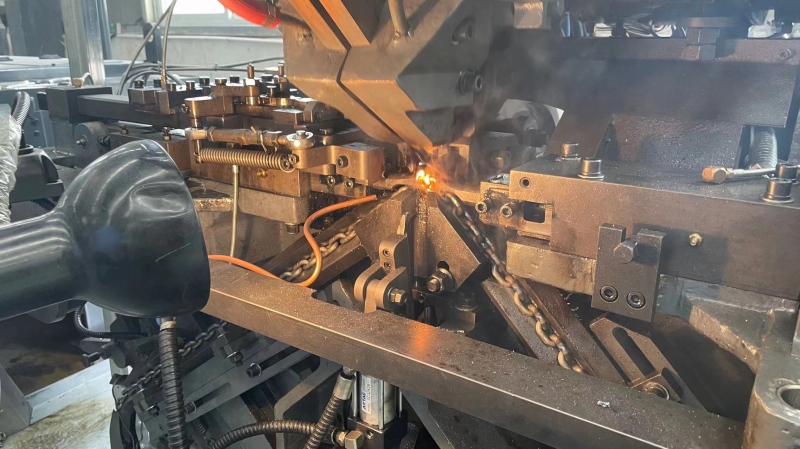
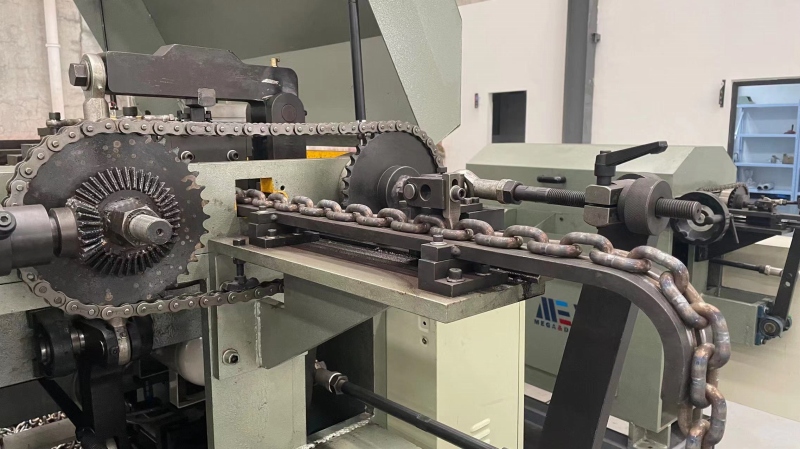
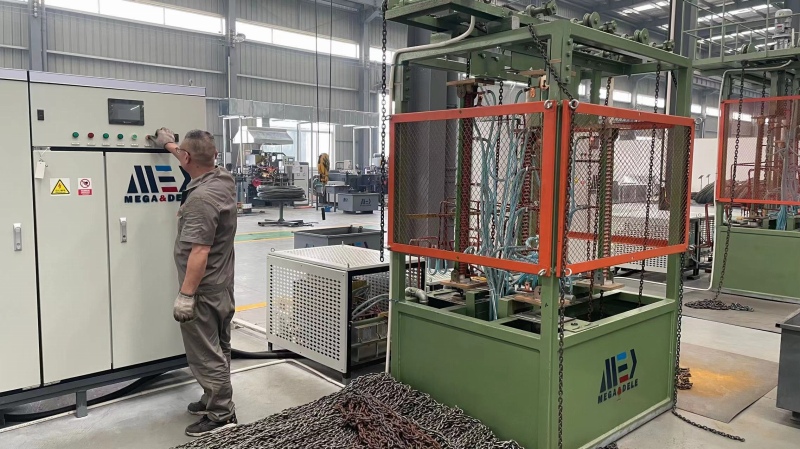
With advanced drop-forging and heavy fabrication machinery from 50 tons to 2,000 tons capacity, we optimize costs and provide competitive factory-direct pricing.
From metallurgical selection to secure packing protocols for ocean transport, our experienced engineers support your project from inquiry to deployment.
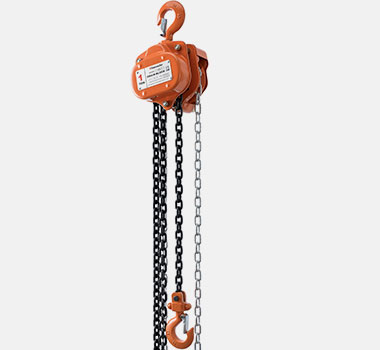
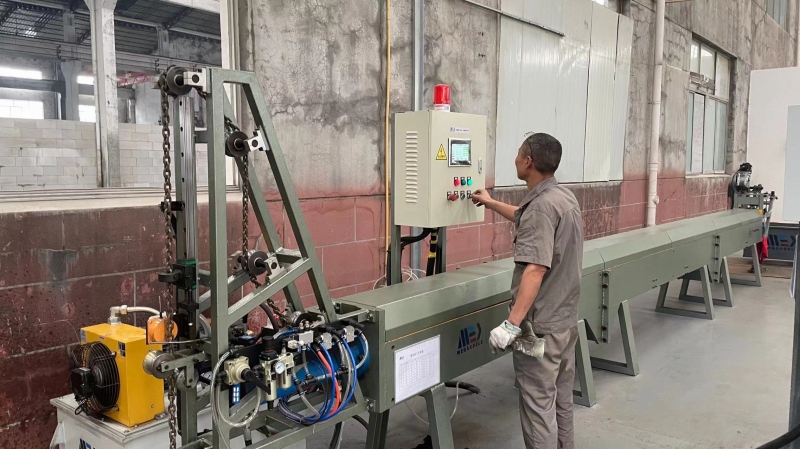
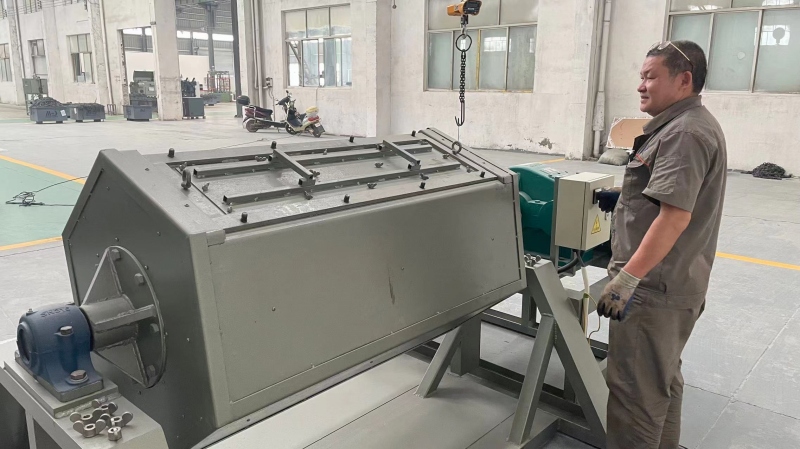
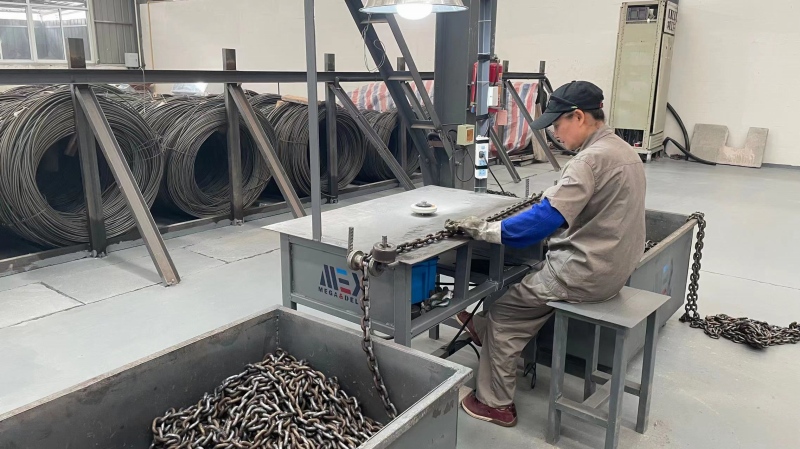
Our heavy industrial manufacturing facilities guarantee structural precision for critical lifting and hoisting components.
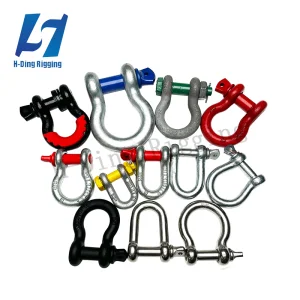
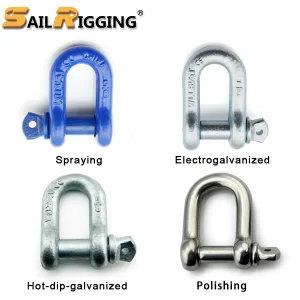
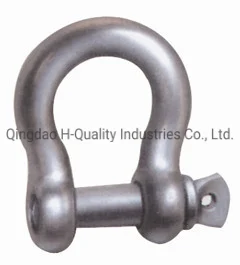
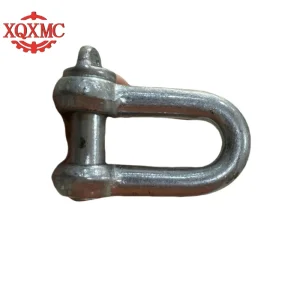
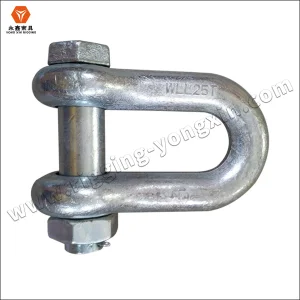
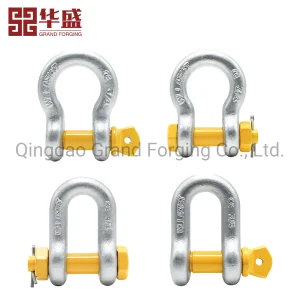
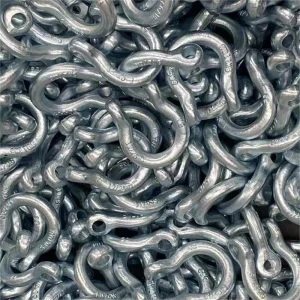
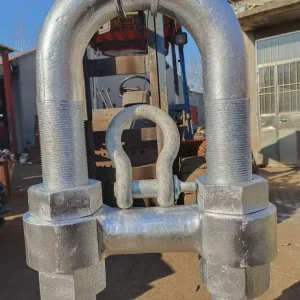
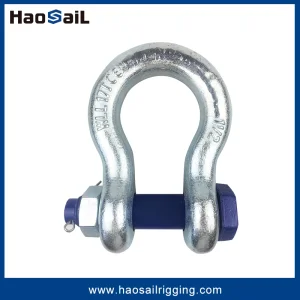
Exhaustive array of heavy-duty bow, D, and anchor chain shackles conforming to international lifting regulations.
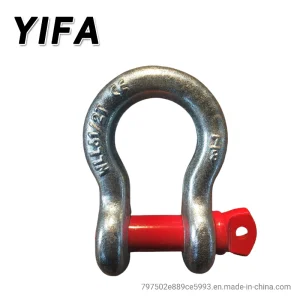
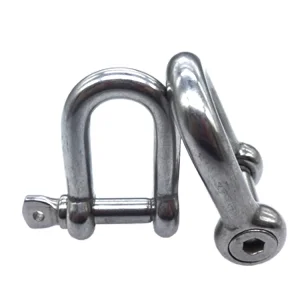
Shipping industrial rigging gear and high-mass steel components to distant atolls like South Tarawa or Christmas Island requires specialized packing and logistical expertise. To protect our hardware from ocean spray and humidity during long shipping routes, Chongqing Glinder Lift uses heavy-duty, seaworthy packaging. Every shipment of shackles is treated with rust-inhibiting coatings, sealed in vapor-barrier packaging, and secured in steel-banded wooden crates. This ensures your rigging hardware arrives ready for immediate deployment.
We work closely with major maritime shipping lines servicing the South Pacific, ensuring reliable customs documentation and logistics support. Whether you are managing public infrastructure projects in Tarawa or outfitting commercial fishing operations, our logistics team simplifies the procurement process to deliver equipment when and where it is needed.
The maritime industry is continuously evolving toward enhanced safety, improved material performance, and lighter weights. Our research and development focuses on the following key areas:
Technical queries regarding shackle selection, specifications, and deployment in coastal and marine projects.
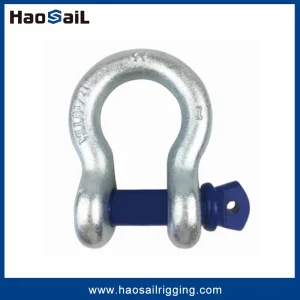
Bow shackles (also called anchor shackles) feature a larger, rounded O-shape loop. This design allows them to accept multiple connections from different directions without sideloading the shackle. D-shackles (or chain shackles) are narrower and shaped like a "D", designed primarily for straight-line tensile loads. For multi-leg sling setups or mooring applications, bow shackles are generally preferred.
Hot-Dip Galvanizing bonds a thick layer of zinc to the steel surface, creating strong protection against saltwater and high-salinity air. Electro-galvanizing only applies a thin zinc layer, which can quickly wear away in marine environments, exposing the steel to rust. For the tropical climate of Kiribati, HDG is essential to ensure long-term durability and safety.
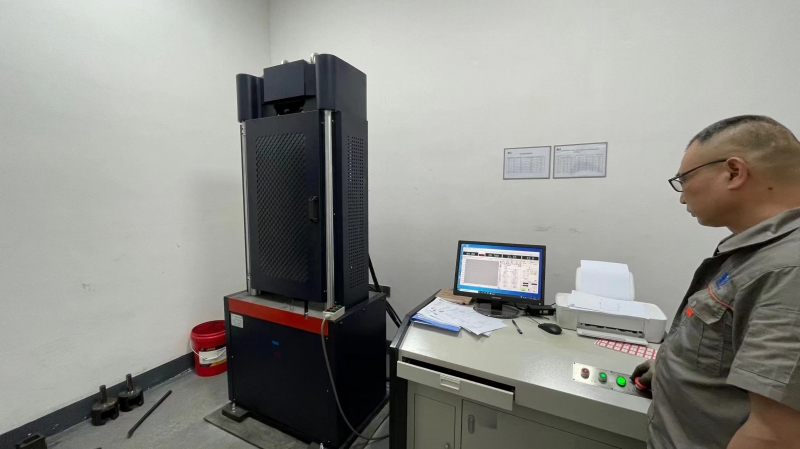
Our manufacturing facility follows ISO 9001 quality systems. We perform tensile testing, proof-load tests up to 200% of the Working Load Limit (WLL), and magnetic particle inspections to check for internal defects. Certification documents are provided with every batch to verify safety standards.
For small-scale, highly corrosive underwater equipment, AISI 316 stainless steel is ideal due to its resistance to rust. For heavy-duty moorings and high-load commercial vessels, hot-dip galvanized alloy steel is preferred for its superior tensile strength and fatigue resistance.
We ship through major shipping lines servicing Pacific ports, including Betio Port. Depending on order size, we offer both Less than Container Load (LCL) and Full Container Load (FCL) options. Lead times vary by product specifications and production schedules, and our sales team provides detailed timelines with each quote.
 Glinder lift